
Valdichiana Aretina · Thirty centuries of landscape
The story
of Valdichiana
A territory that changes without ceasing to recognize itself. Water, city, fields, stone, men and traditions: a story that continues to rewrite the landscape.
From a logo to a landscape
The Valdichiana is a painting
permanently updated
A Leopoldina and some cypresses: these are the stylized images that graphically indicate the tourist area of the Arezzo Valdichiana. Powerful signs that symbolize a landscape apparently crystallized around some icons, but in fact in constant metamorphosis. The Valdichiana, we could say, is a picture in constant updating; the painter, or man, continually adds new colors from the palette, not with a brush, but simply by living within it and leaving traces of his past.
It is a landscape which, like all that of Tuscany, represents the wonderful fusion of natural elements and human work over the centuries, so much so that the old and the new have become "contemporary", the result of the same creative act.
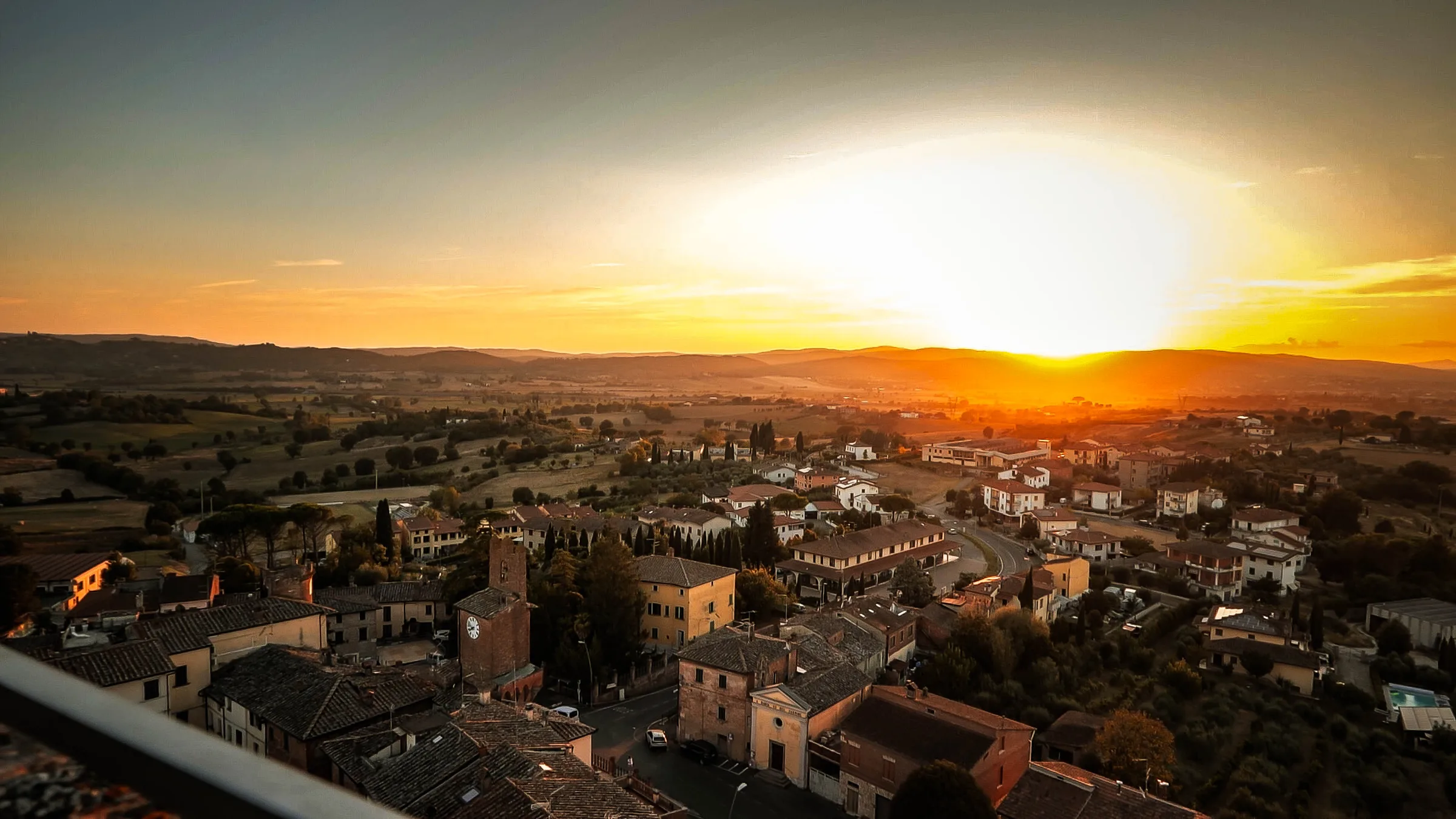
The visitor looks from the top of the walls, towers or bell towers, he will see one of the vastest and most harmonious panoramas in Italy: the fertile, immense plain of Valdichiana, already praised by classical authors and celebrated in the words of amazement of travelers on the Grand Tour, closed on the horizon by the mountains of Siena among which Amiata and Cetona stand out and by the large mirror of Lake Trasimeno.
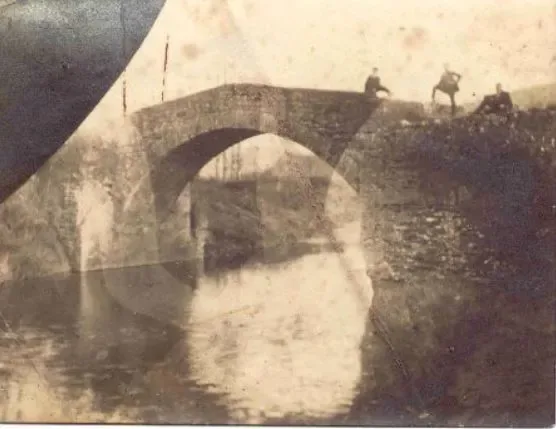
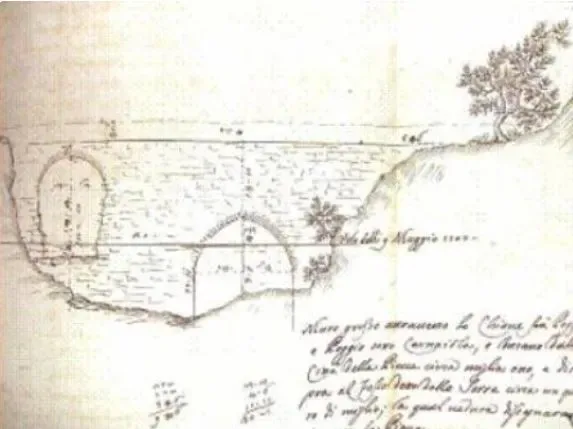
Water, land and human presence.
It is from this balance that the landscape is born.An ancient name, an Etruscan name
Before the valley,
there was the Clanis.
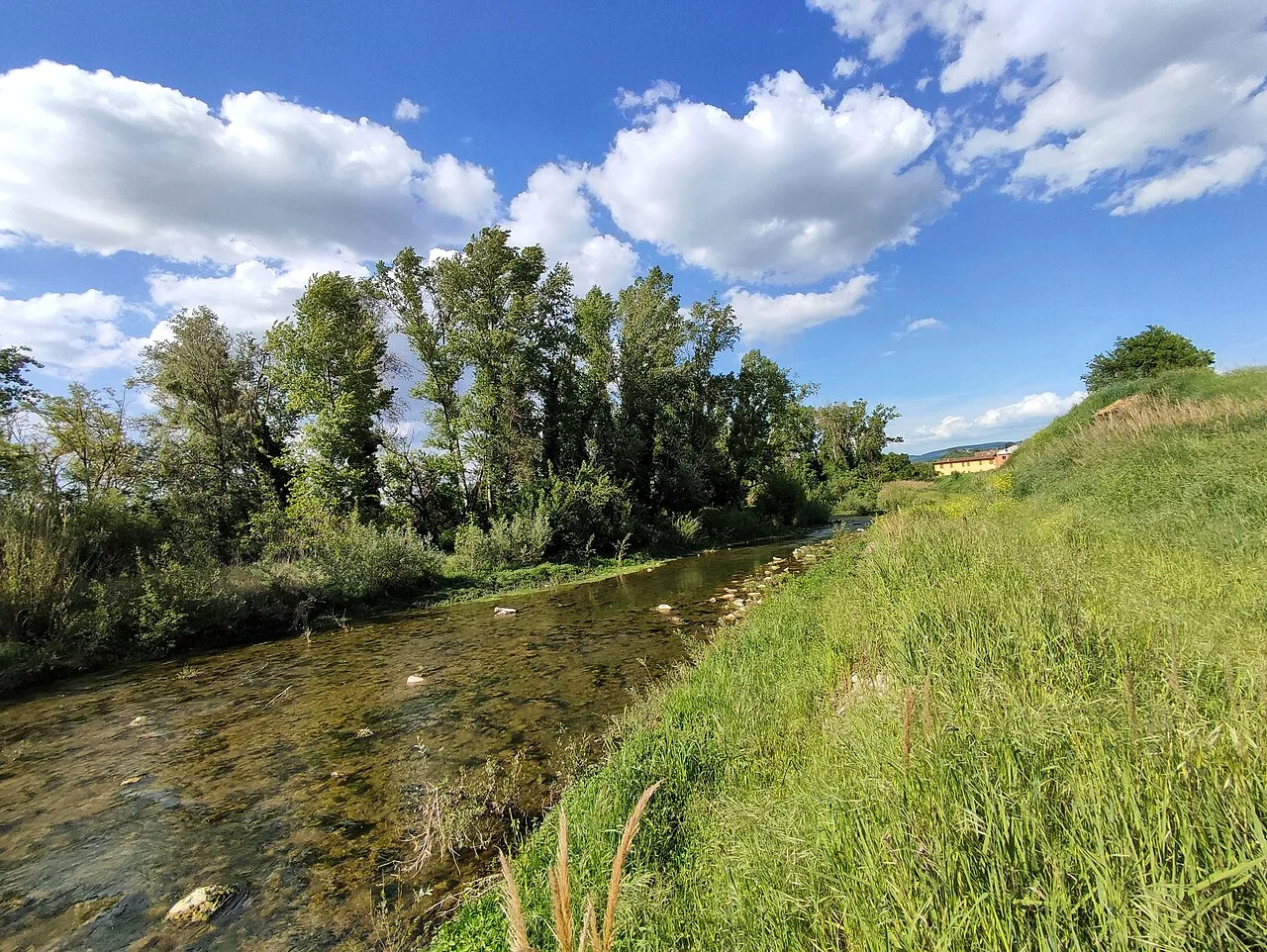
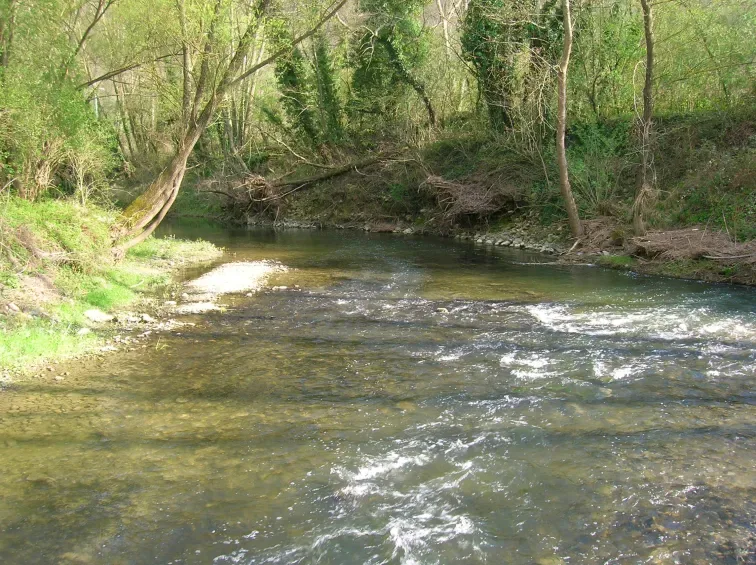
Literary sources indicate that during the Etruscan era the Valdichiana was one of the great granaries that supplied Rome, on several occasions, with cereals during times of famine. Grains were generally transported on large rafts along the Clanis, then the Paglia and finally the Tiber up to Rome.
The river, which gives the valley its current name, guaranteed a water resource also useful for irrigation, fish (terracotta weights and rings for fixed nets were found in the Melmone area, near Castiglion Fiorentino), marsh reeds and much more, so much so that it was considered a divinity, as attested by the inscription Mi Klanin present on a thigh of a bronze figure of an athlete found in Quarrata in the nineteenth century, now preserved in the Cabinet de Medailles in Paris, or the river sanctuary of Brolio from which extraordinary bronze statuettes come, a copy of which can be appreciated in the Cassero Museum in Castiglion Fiorentino.
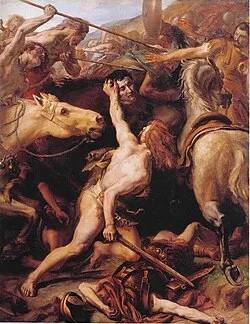
Between the lake of Trasimeno, on whose banks the memorable battle of 217 BC took place. between Annibale and Flaminio, the Clanis line and the pre-Apennine promontories arose, in the Etruscan age, since the archaic age, princely potentates indicated by the large mounds and important urban centers in Cortona, Castiglion Fiorentino, Foiano, Lucignano, Marciano, Monte S. Savino.
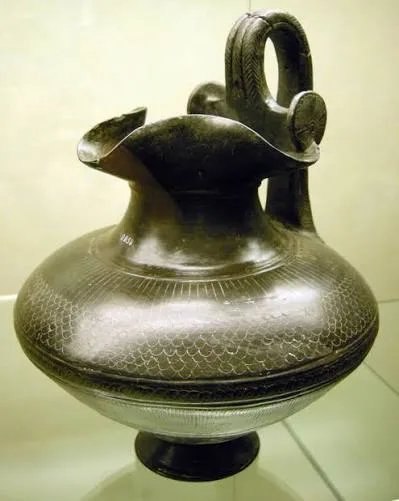
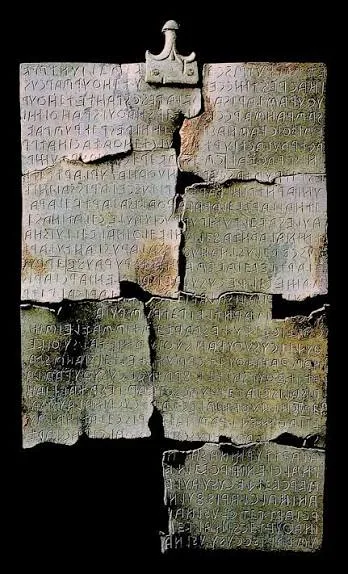
We must imagine the territory exploited mainly for cereals, vegetables, vineyards, orchards and, in the hilly area, olive trees and a breeding farm consisting of sheep, goats, pigs, cattle, with related resources consisting of meadows and woods. Thus, for example, it is demonstrated by the many vessels for drinking wine, both of Etruscan manufacture (bucchero) and of Greek manufacture, preserved in the museums of Valdichiana (MAEC and Cassero) or by the well-known tabula cortanensis, the long Etruscan inscription which mentions the presence of a vineyard in Cortona.
Hunting and fishing, both river and lake, constituted activities which supplemented, not replaced, the diet, as wild boars, deer, roe deer, ducks and passerines were present in abundance, while the competitors, essentially made up of wolves and foxes, were kept at a distance, as evidenced by the many Etruscan bronzes preserved, for example, in the MAEC of Cortona.
“Mom of Troy
and grandmother of Rome".
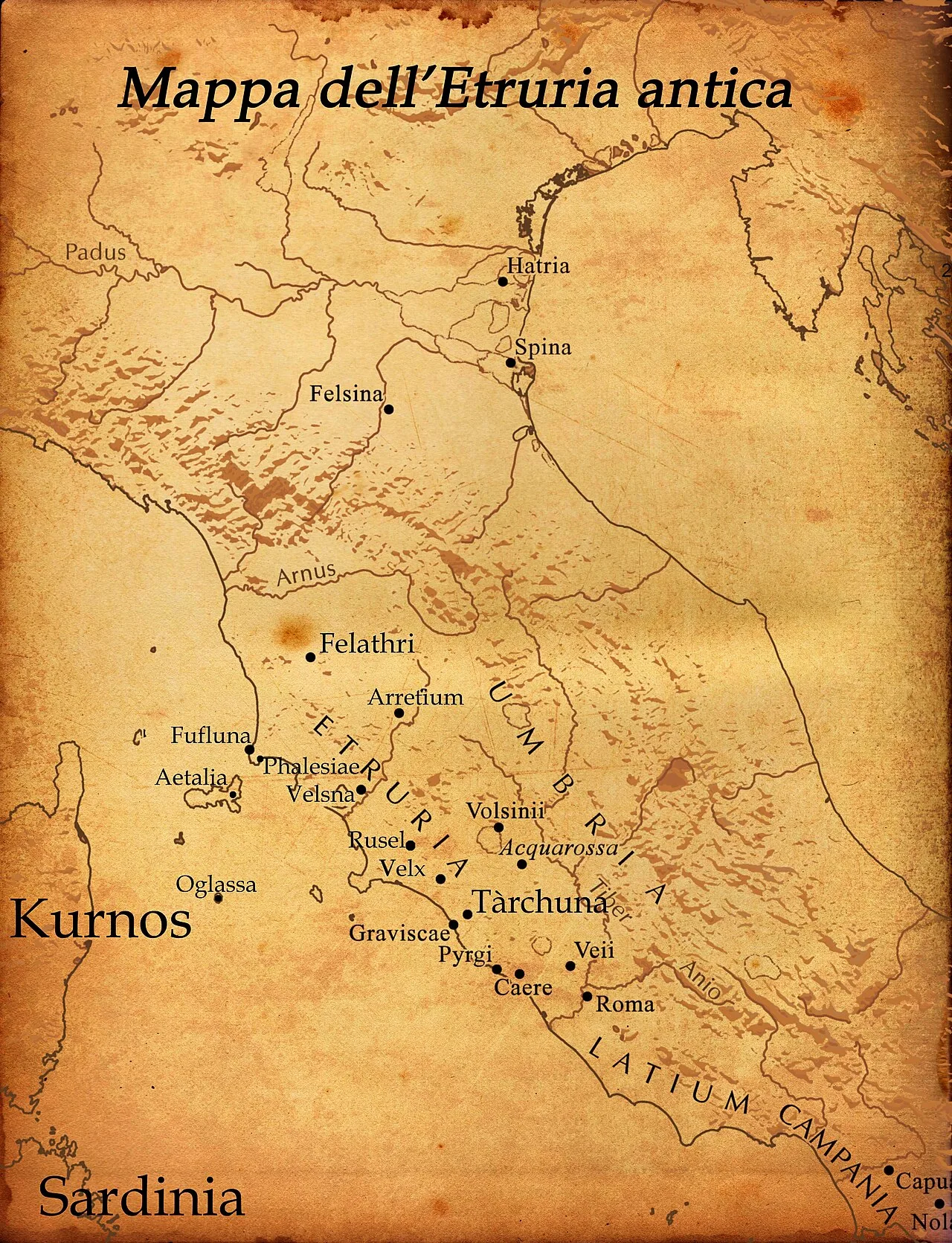
It is the myth that decrees the centrality of Cortona in the ancient Mediterranean, with respect to the categories of space (the place from which one leaves for distant lands or arrives after a long wandering) and time (age). Already known by Herodotus, the father of history, it was colonized in a remote age, as Dionysius of Halicarnassus narrates, by the Pelasgians, "the storks", often identified with the Etruscans. Having arrived in Spina with their king Nanas and occupied the fortress of Cortona, city of the Umbrians, after having driven out the previous inhabitants, they swarmed to the other locations of Etruria to found new cities.
Lycophron in the 4th century BC. and a series of later commentators and scholiasts narrate that Ulysses, known in Etruria by the name of Nanos (the wanderer), also came to die in Cortona, near that mountain Perghe, traditionally identified with the locality Pergo, which hosted his burial. The plot becomes more dense by accepting what Virgil narrates in the Aeneid: the legendary Dardanus left from Cortona to found the city of Troy, justifying the modern definition of the Tuscan center as "mother of Troy and grandmother of Rome".
The arrival of Rome
The valley becomes
infrastructure
There is a monetary series, known as wheel or Valdichiana series, from the Etruscan-Roman age, whose images may refer to the supply of foodstuffs being produced: next to the wheel (which can probably refer to land transport on carts) the anchor appears (the Clanis river route?) while the crater, oil amphora and the double ax may refer to wine, oil, wood.
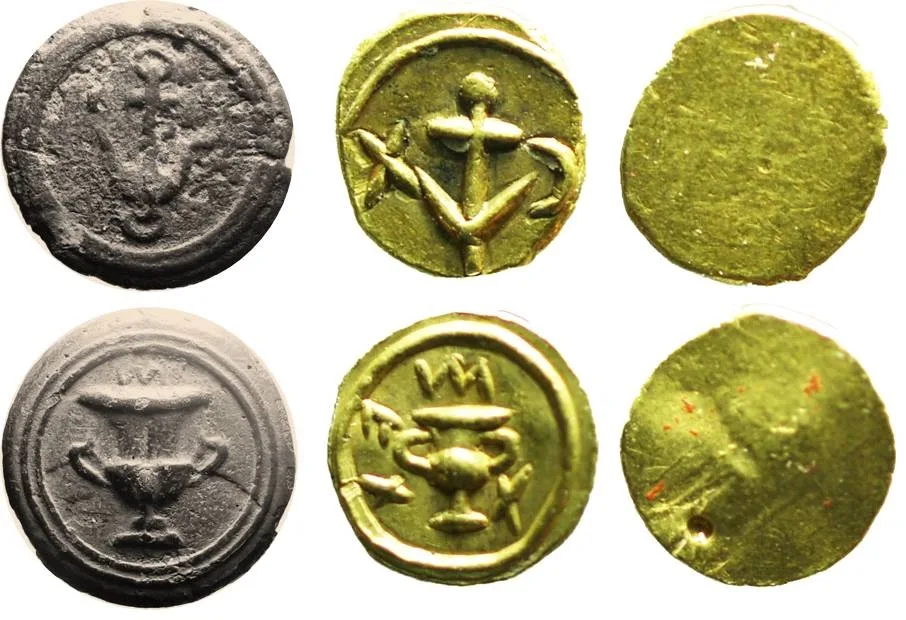
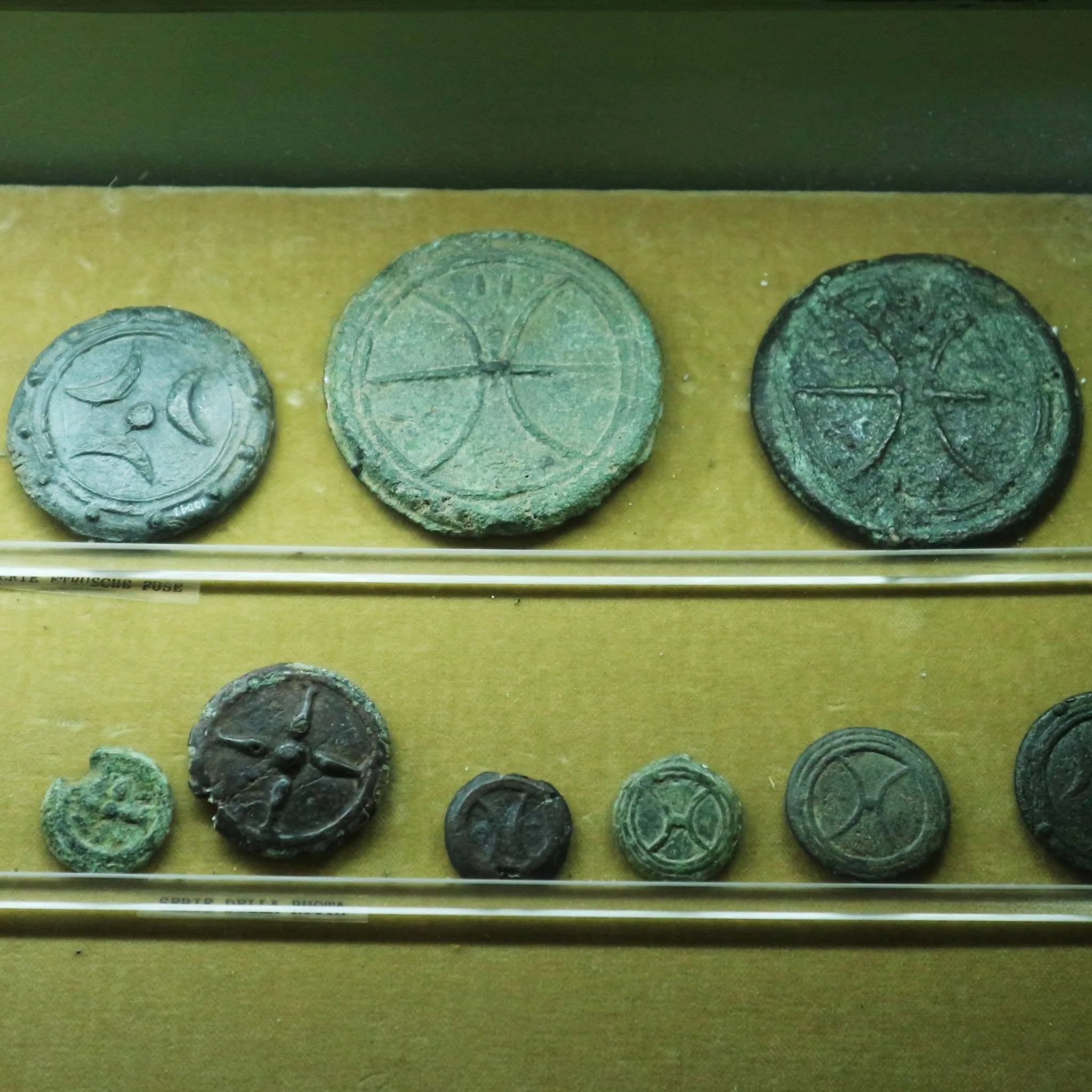
The progressive Romanization saw in a first phase the introduction of centuriation and the establishment of numerous rustic farms extremely specialized in production, especially following the bloody interludes of the civil wars between Marius and Sulla first, and then Ottaviano and Antonio, which had as their final consequence the distribution of Etruscan lands to the former Roman soldiers; in a second phase, large agricultural villas gradually arose in the interior, with immense land holdings. Several rustic villas are known such as in Ossaia or Cisternella, near Foiano della Chiana.
Between the 3rd and 2nd centuries BC. instead, the construction of a Roman road system began.
The stretch built first, from Chiusi to Fiesole, is better known as Cassia etrusca or vetus, as it recovered the Etruscan route that connected the cities of Chiusi, Cortona, Arezzo and Fiesole. The hydrological establishment of the Val di Chiana, fertile in the Etruscan and Roman periods but always subject to recurring water stagnation, made it possible, again in the Republican age, to run a road from south to north from Chiusi towards Fiesole which, flanking the western bank of the Clanis, thus avoiding the detour to Cortona, known as Cassia republica.
To reduce the distances between Chiusi and Florence, a variant that even bypassed Arezzo, known as Cassia Adrianea, was opened by the emperor Hadrian around 123 AD. The fall of the Roman Empire saw on the one hand the arrival of new populations of Germanic lineage, such as the Goths and Lombards, the Franks, and the progressive spread of the new Christian religion, to which the newcomers would also adhere, with the birth of the first communities, baptismal fonts, churches, saints dear to the newcomers (S. Agata of the Goths, S. Michael the Archangel of the Lombards, S. Martin of the Franks).
The Middle Ages and the Renaissance
The valley rises
on the heights
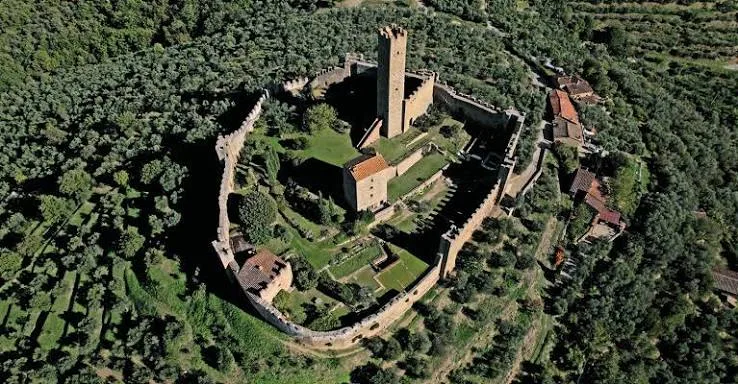
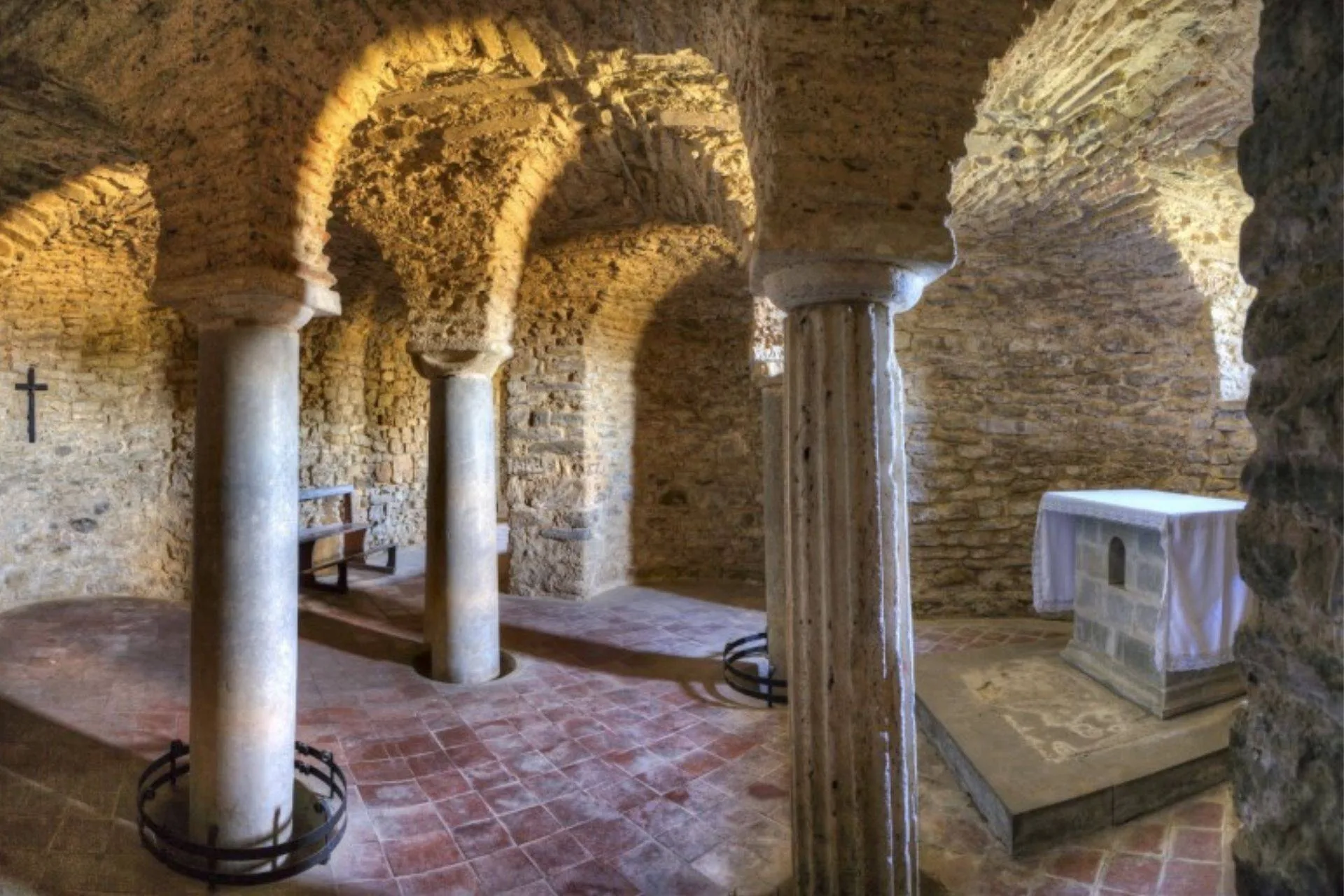
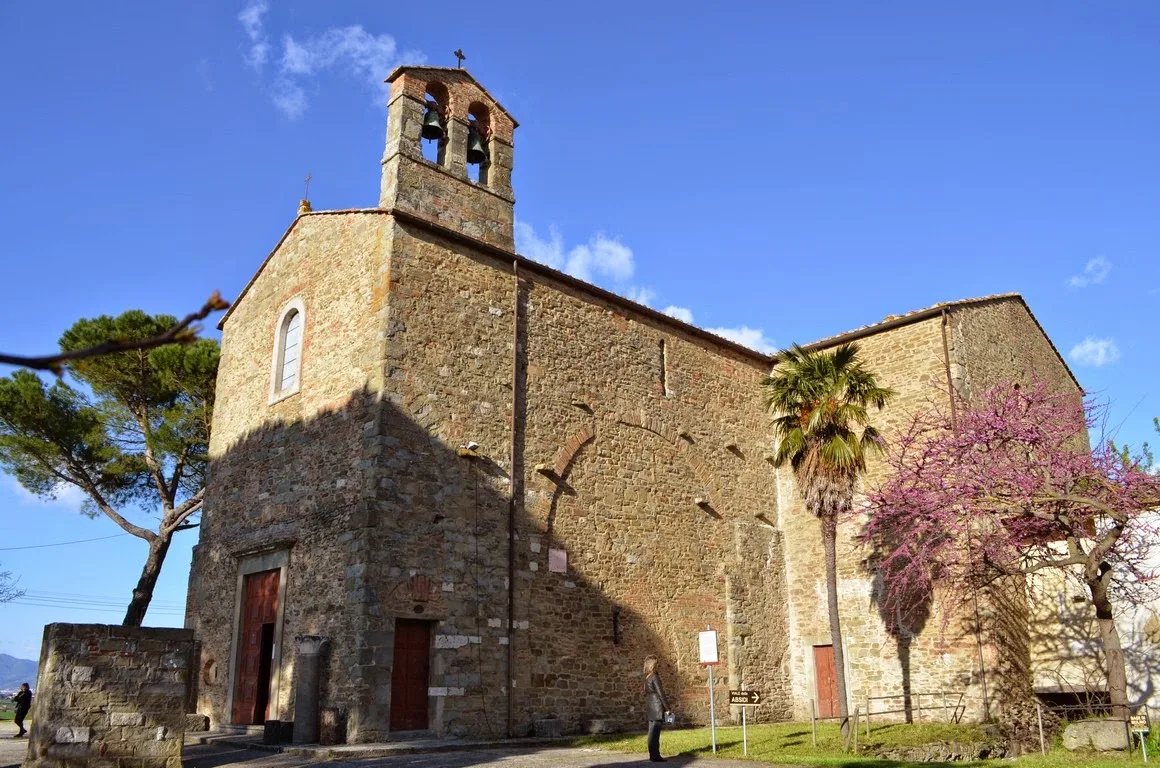
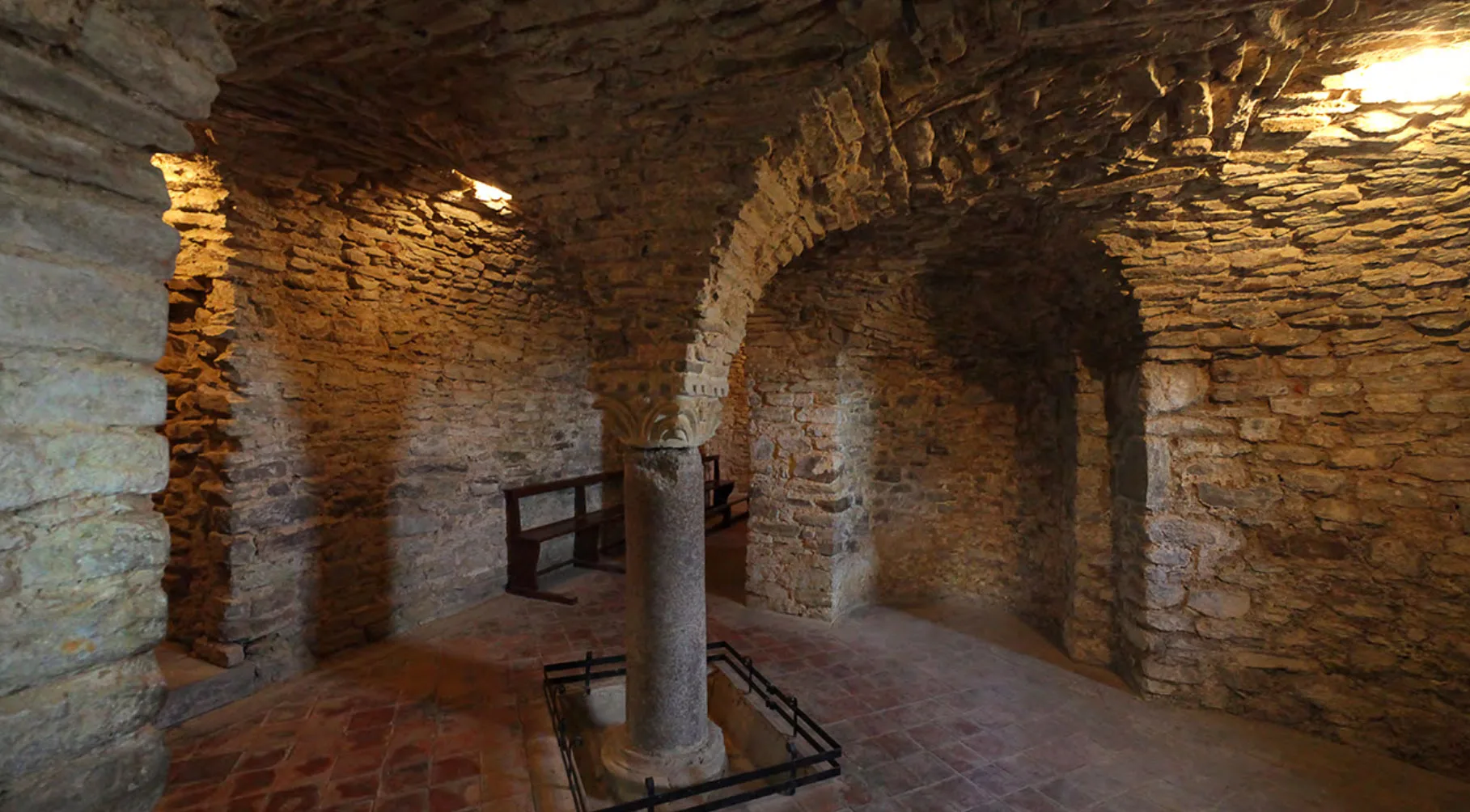
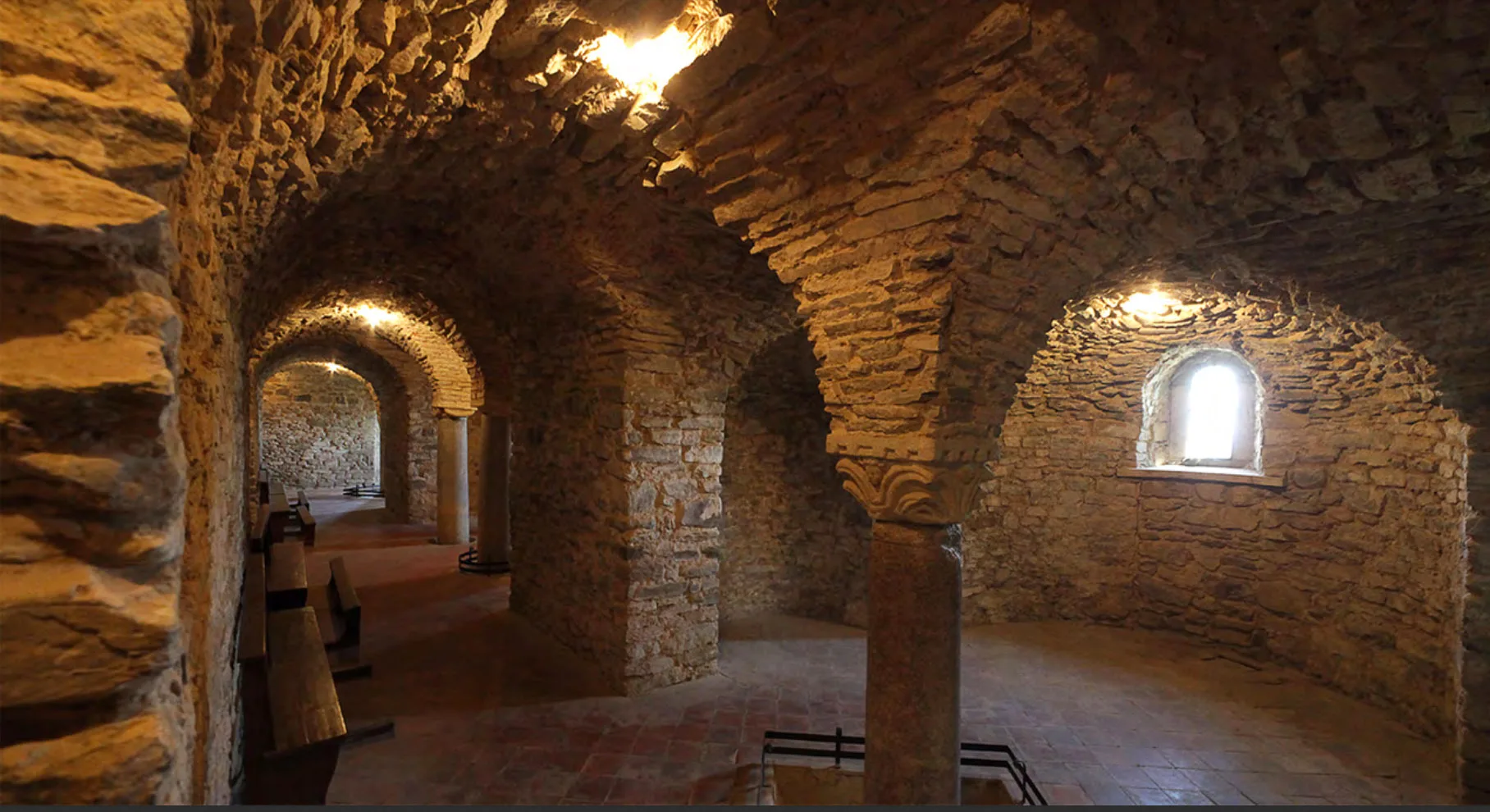
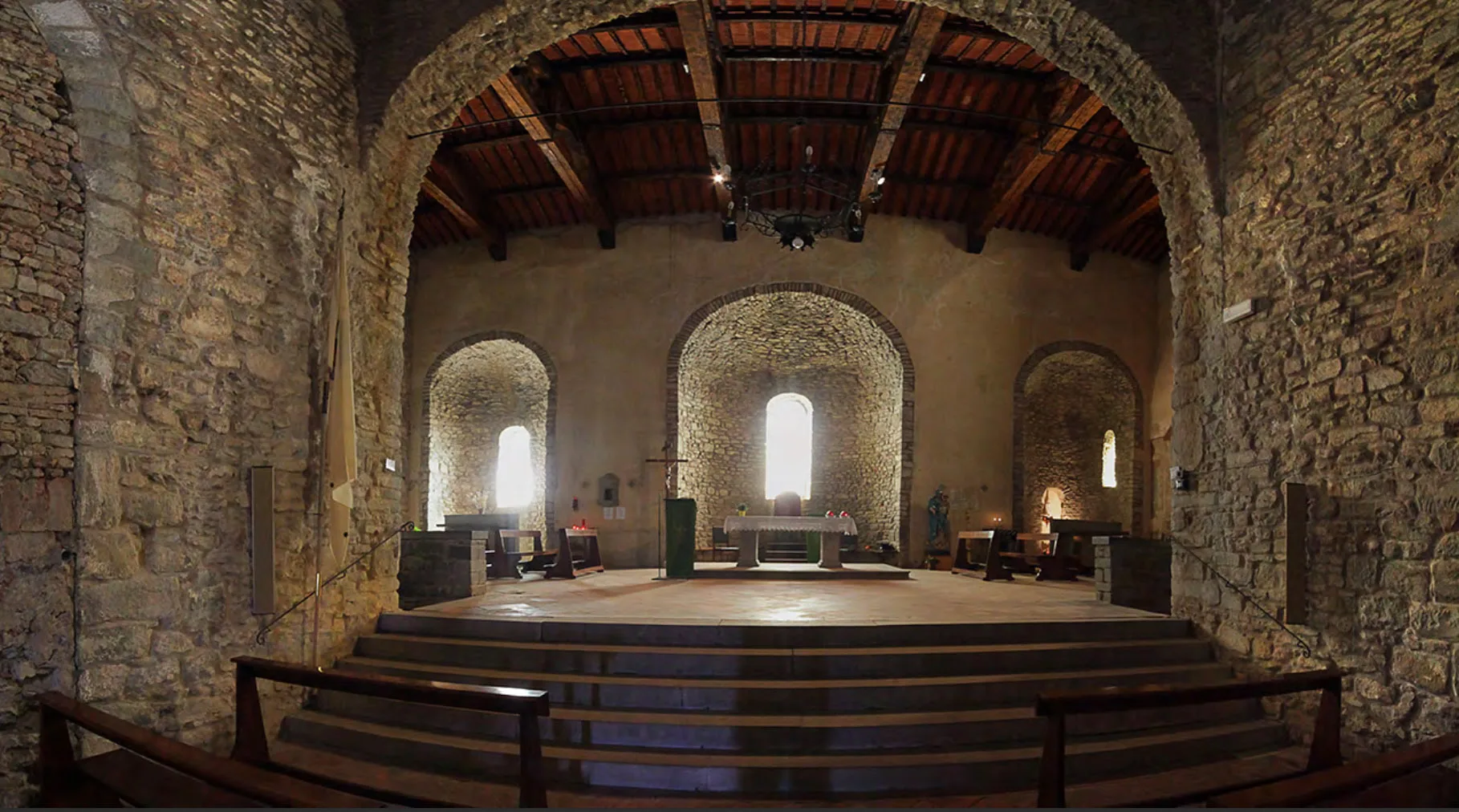
During the early Middle Ages, these settlement systems based on slavery collapsed and we returned to small high-altitude settlements which soon became castles before the year 1000: the castles of Montecchio Vesponi e Gargonza. The first large abbeys were also born, such as Farneta, S. Michele Arcangelo.
The woods take back the landscape and the Clanis becomes, inexorably, a large swamp, which will extend further and further up to the time of Leonardo da Vinci, who will represent it in the famous map of Valdichiana, now preserved in London. The great Roman roads are abandoned.
Gradually, during the Middle Ages, the first machines for transforming cereals came into operation: this is the case, for example, of the birth of the first water mills in the Val d'Esse and in Montagna, as well as some windmills in the Pergo area.
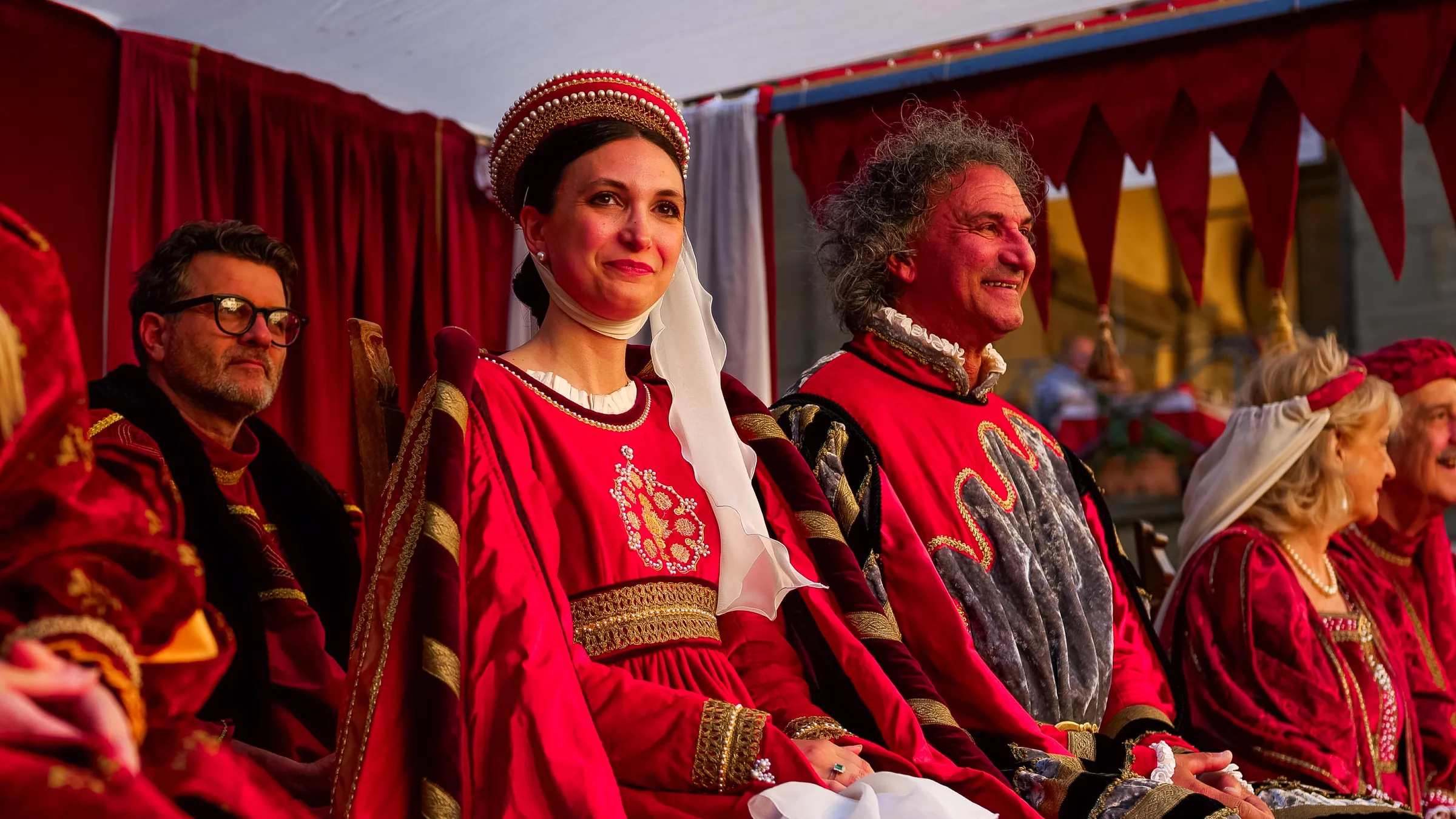
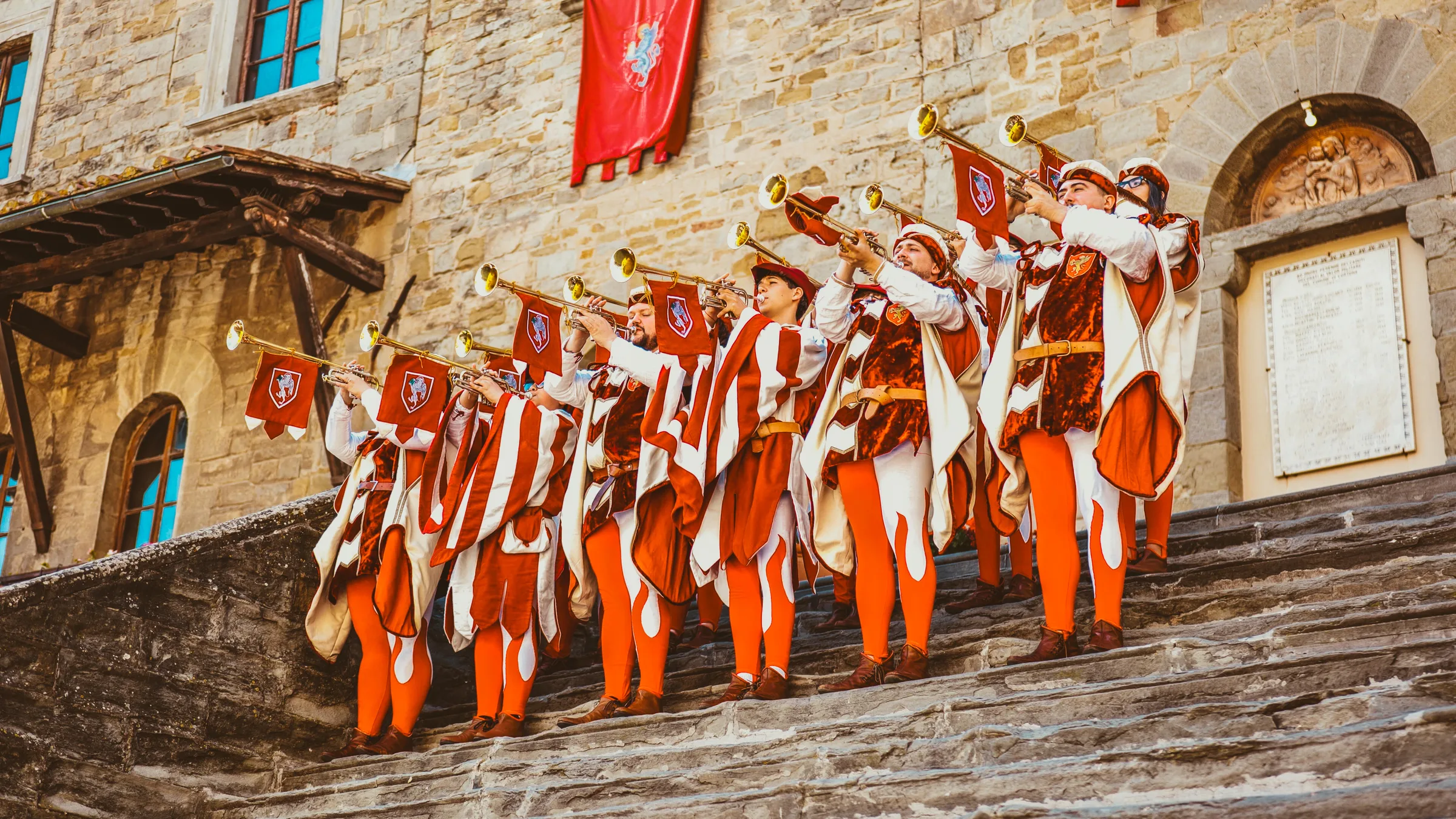
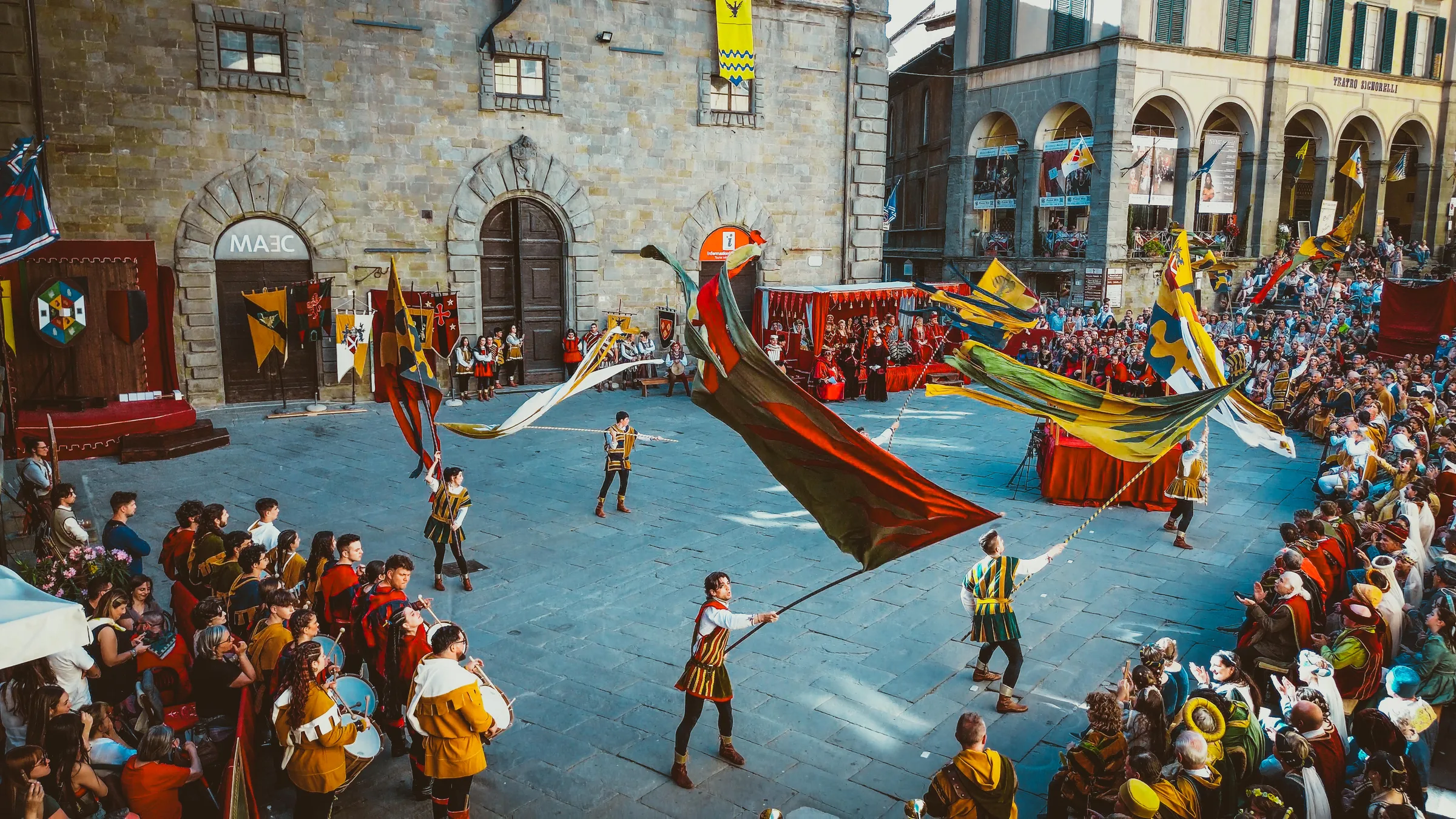
Meanwhile, cities and towns such as Cortona, Foiano, Lucignano, initially almost depopulated, come back to life and become free municipalities, later Lordships (as recalled, for example, by the Archidado carousel of Cortona, which takes place in front of Palazzo Casali, which takes its name from the lordship of the same name). Civil and religious buildings and walls arise either in the classic pietra serena (this is the case of Cortona, Castiglion Fiorentino, Monte S. Savino) or in brick (Lucignano, Foiano della Chiana). It is a season, from the Middle Ages to the Renaissance, which sees the presence of first-rate historical figures, such as S. Francis, St. Margaret and Brother Elias of Cortona, excellent painters, such as Beato Angelico, Luca Signorelli, Bartolomeo della Gatta, Pomarancio, artists of glazed art, such as i Della Robbia. The Dominican and Franciscan orders flourished.
From the Medici to the Lorena
The great transformation
of the valley
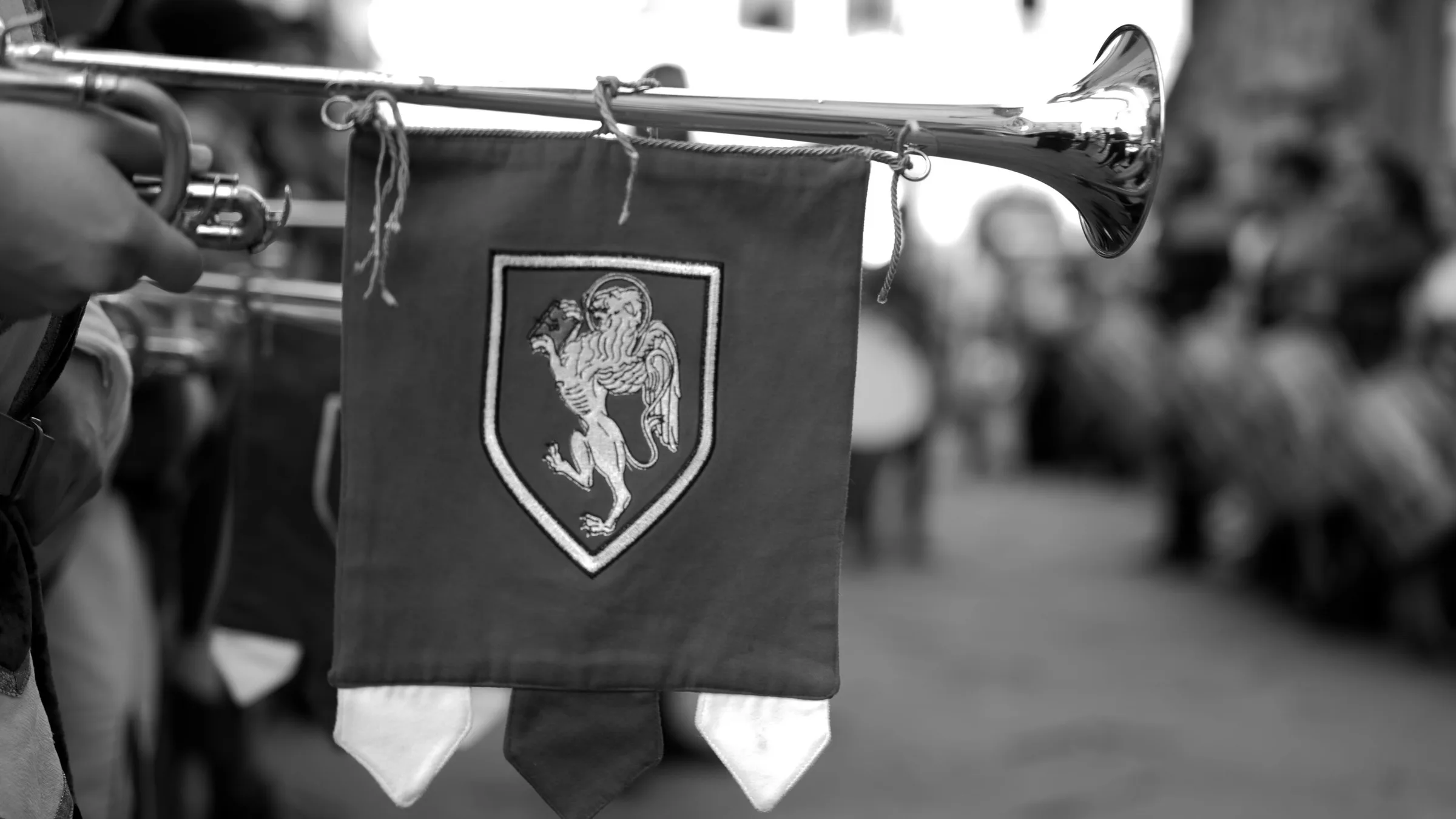
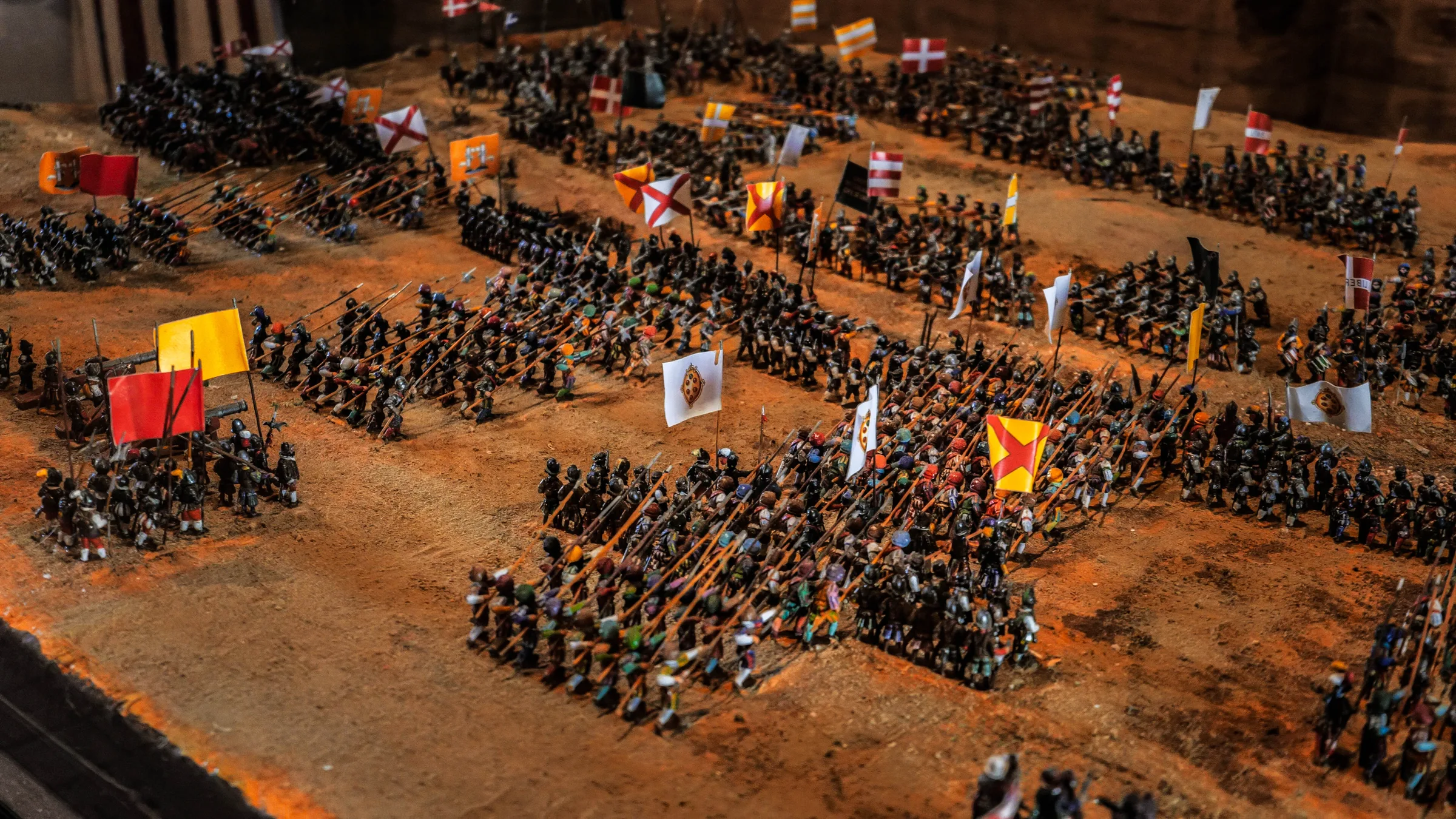
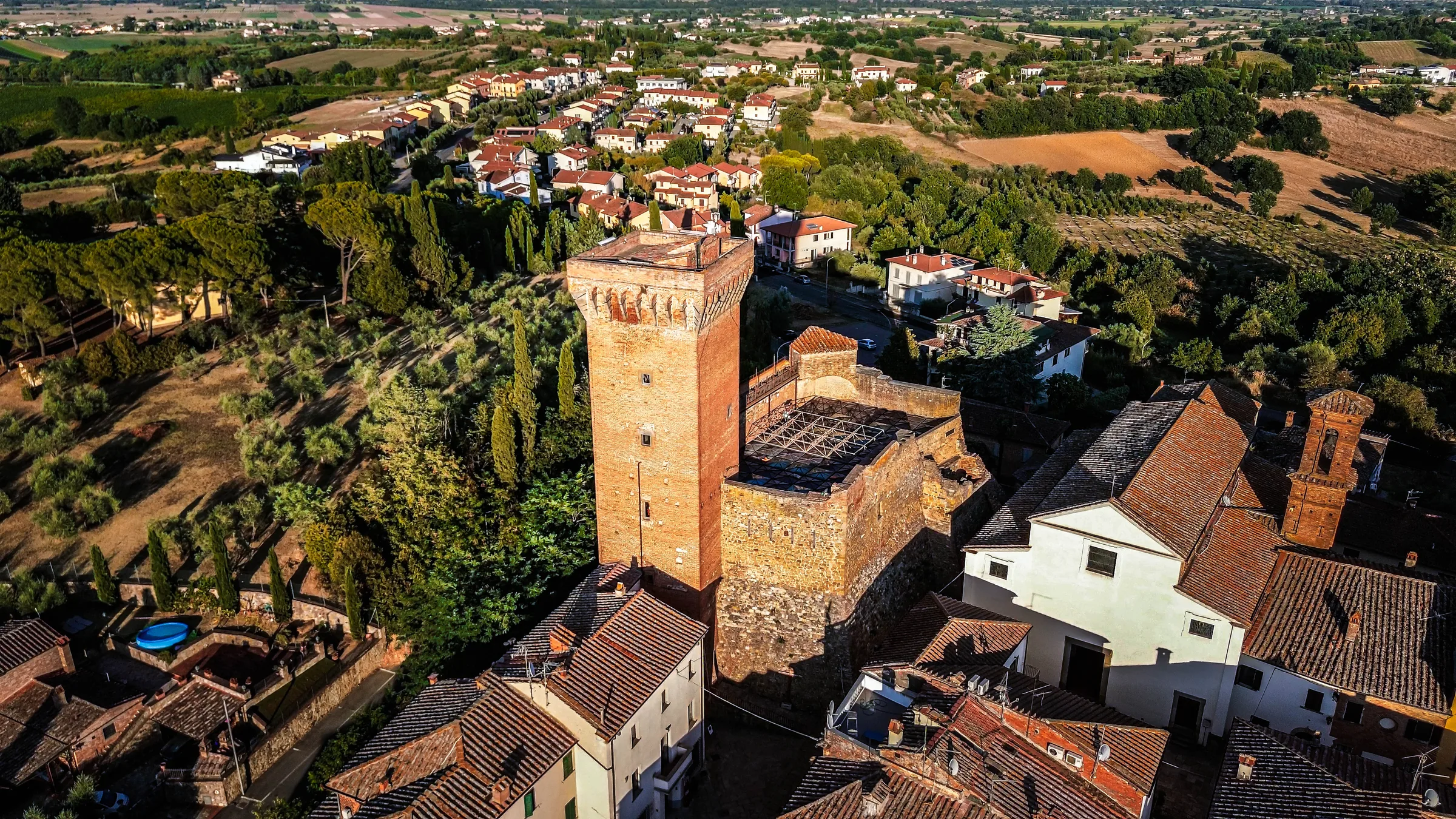
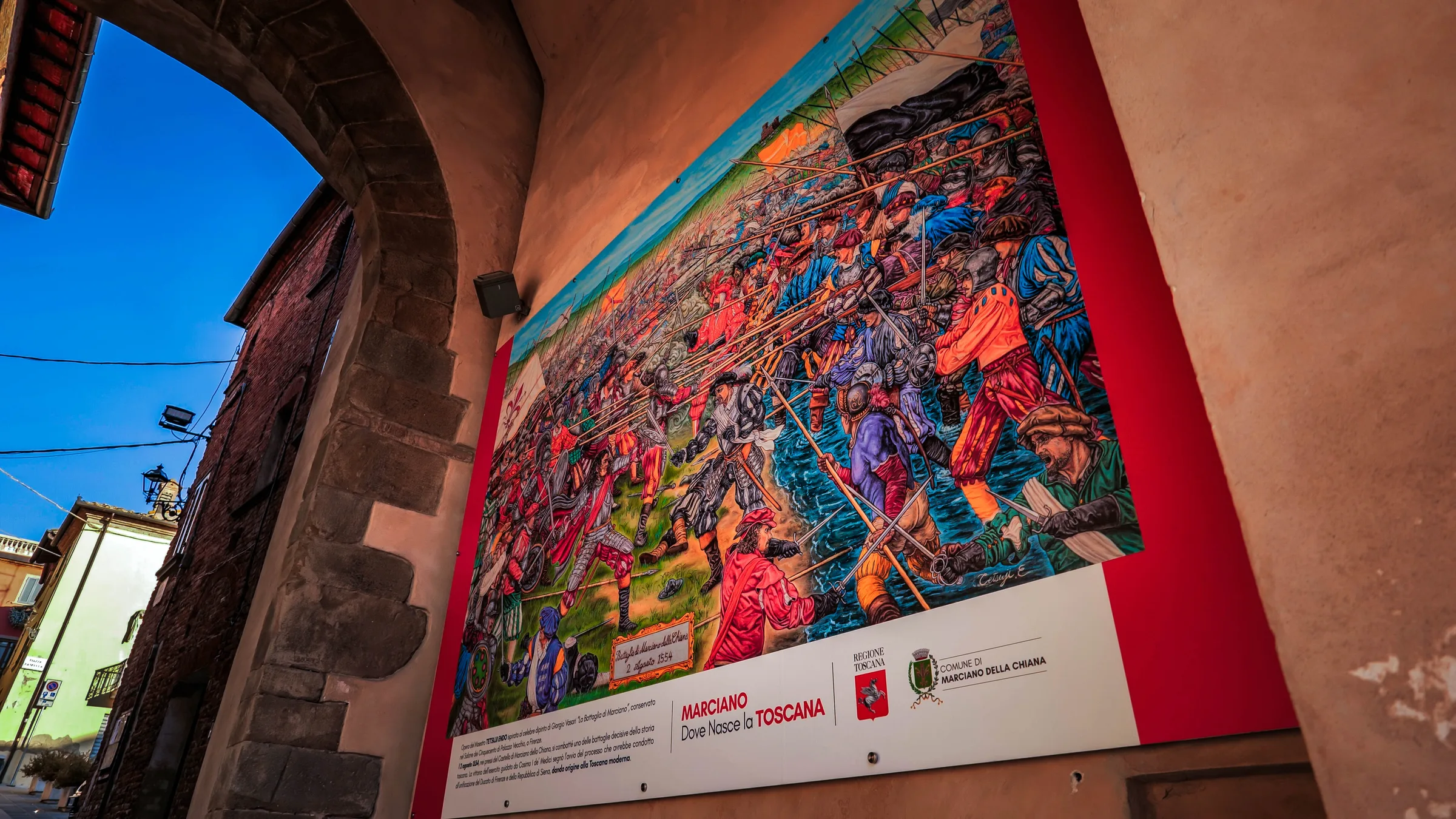
With the battle of Scannagallo (also known as the Battle of Marciano) fought on 2 August 1554 in Val di Chiana, between Pozzo della Chiana and Marciano della Chiana (Arezzo) we witness the clash between the Spanish-Medici army of Cosimo I de' Medici and the Franco-Sienese forces of Piero Strozzi: the event marked the end of the Republic of Siena and the rise of the Grand Duchy of Tuscany. The battle is given an account in the re-enactment that traditionally takes place in Pozzo della Chiana and in the display inside the Marciano Tower. The presence of Florence is very clear in many coats of arms of the Florentine captains that stand out in the buildings of the area or in the fortresses, such as that of Girifalco in Cortona, which dominate the inhabited centers.
The landscape
that we recognize today
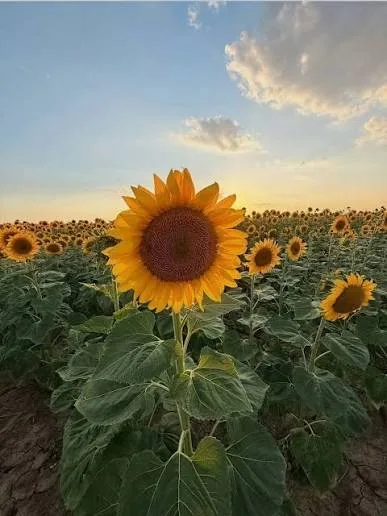
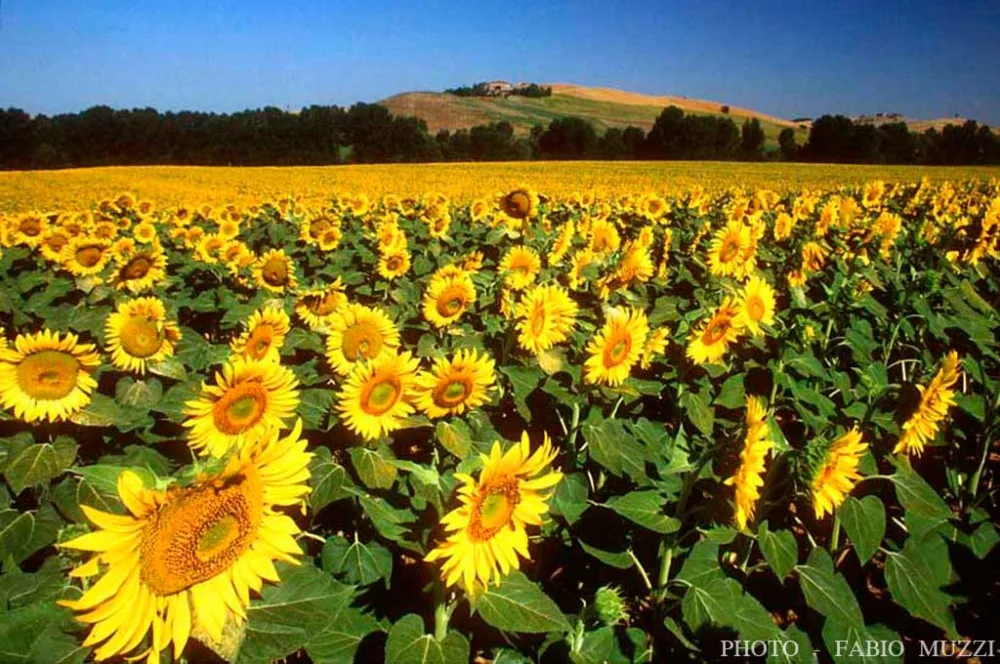
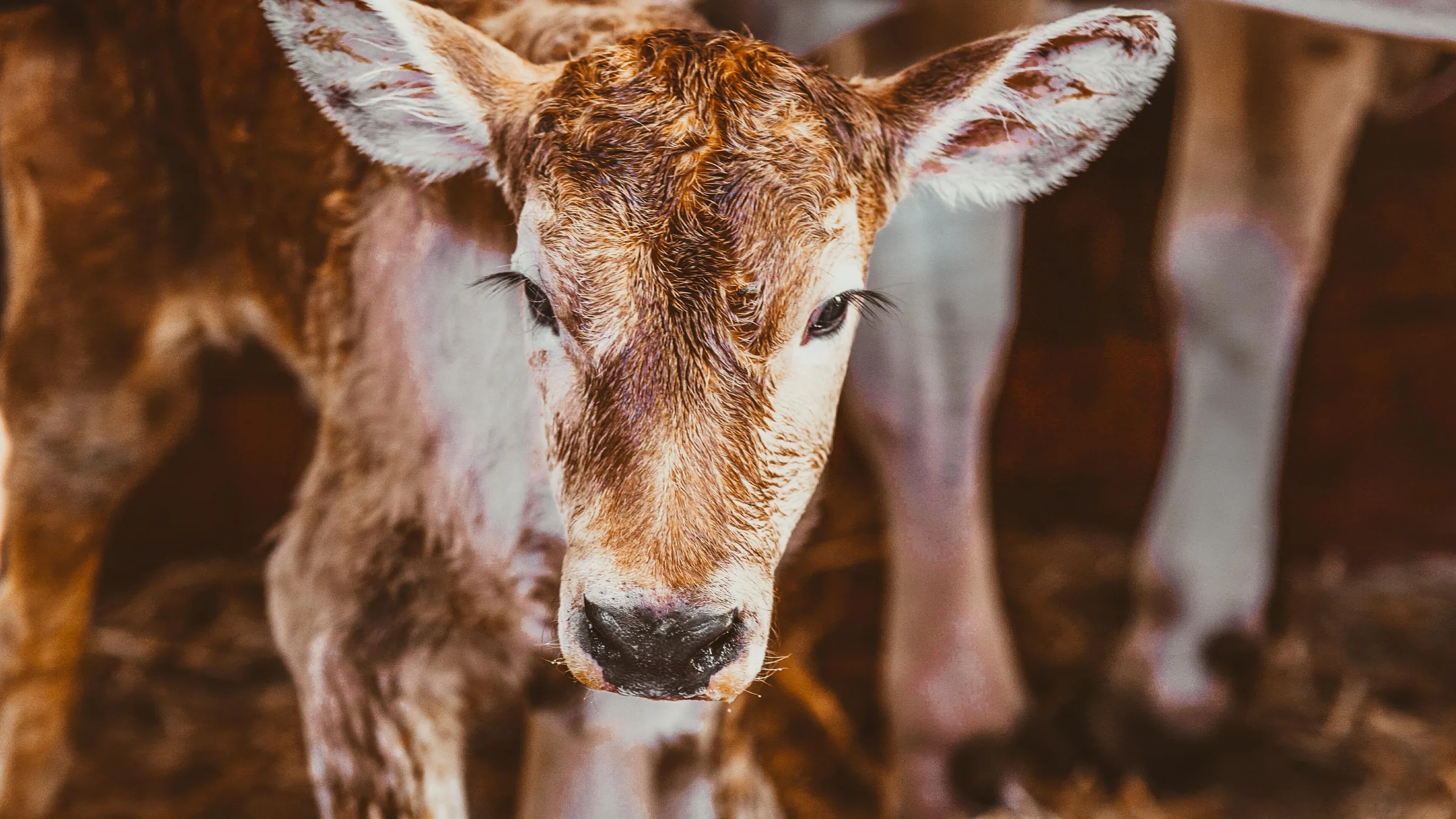
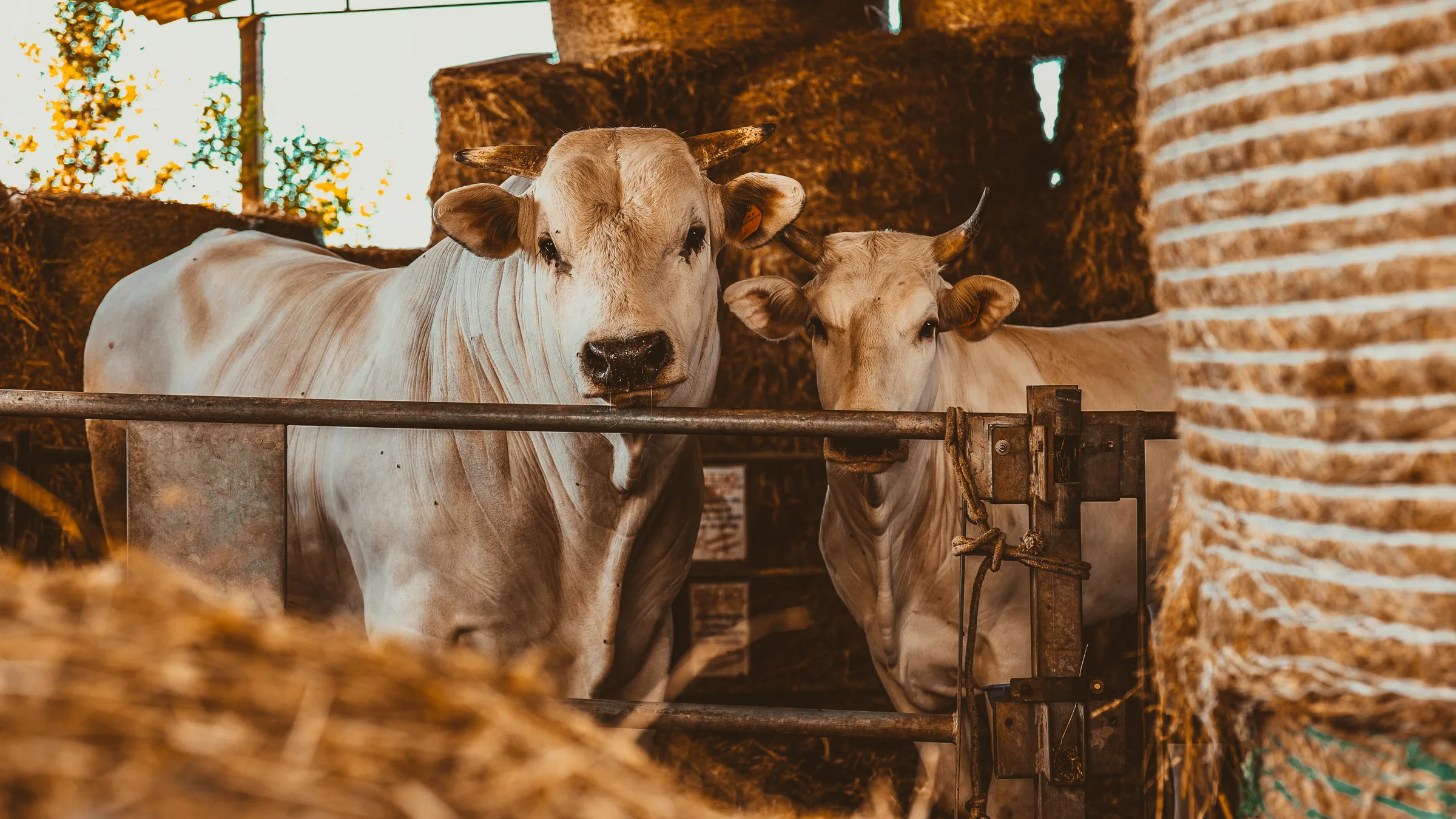
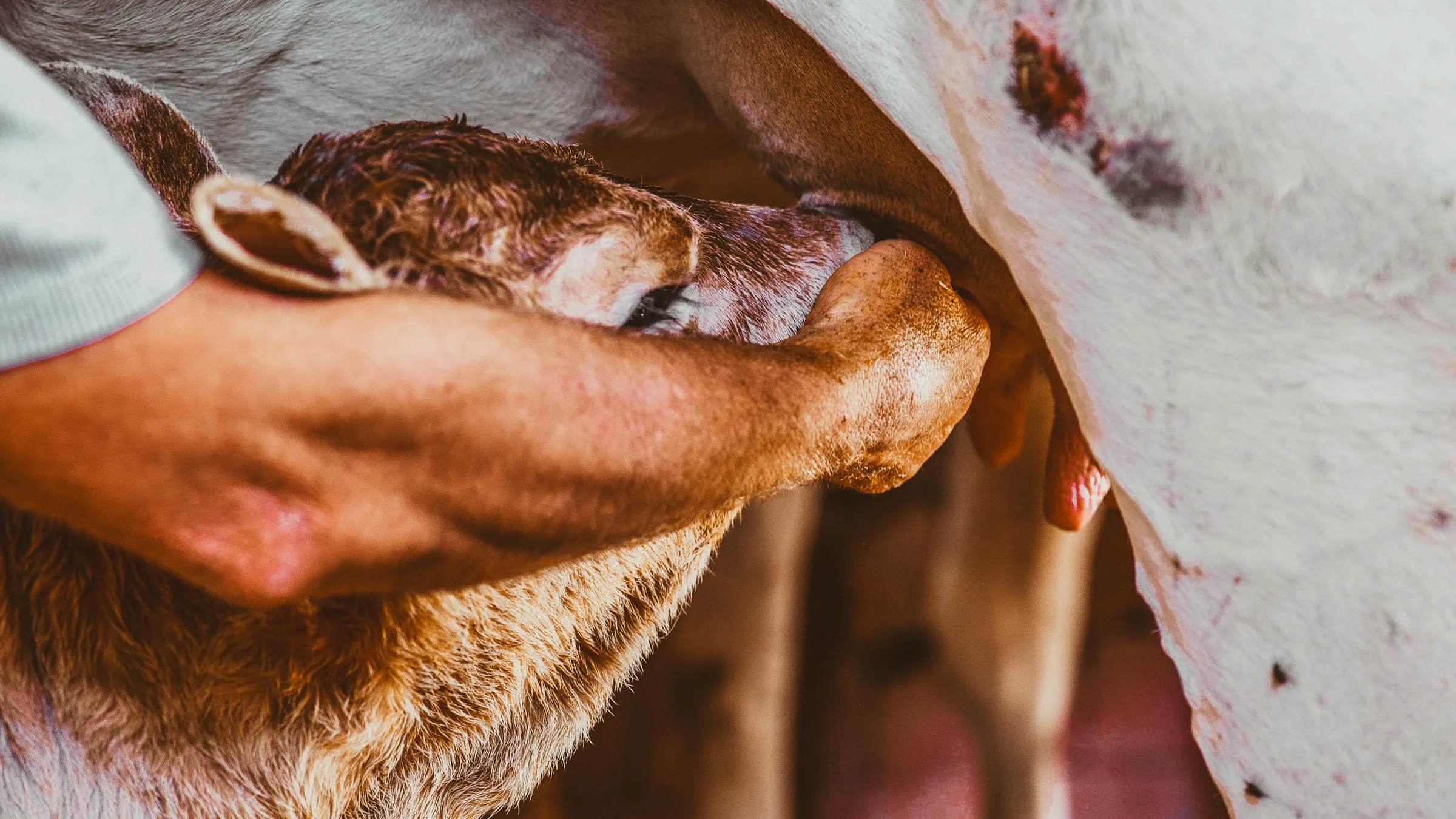
If the Medici continue the incessant work of reclaiming the swampy lands, the new, great modification of the territory occurs with the Habsburg-Lorraine, which complete the processes already started by the previous house, regulating and inverting the waters of the river until it becomes the Master Canal of Chiana, creating the current landscape layout, with dry stone walls and terraces with olive groves on the hills and fields of cereals bordered by vine maple trees in the plain (the classic Mediterranean garden); not only that: new crops are also introduced from the Americas Maize and Sunflower (today the symbol of our valley) or the breeding of silkworms, of which the mulberry leaves (still present in hundreds in our landscape) constitute the nourishment, enhancing (in continuity with the ancient) the scientific selection of the Chianina breed and developing the leopoldina as a new housing unit for agricultural production, a sort of symmetrical version of the ancient Roman villa, despite being naturally no longer inhabited by domains but by settlers. The first academies were also born, such as the Etruscan one in Cortona, supported by the last doctors and the Lorena family, who made the library and museum available to the public.
The end of a world
The campaign changes.
The memory remains
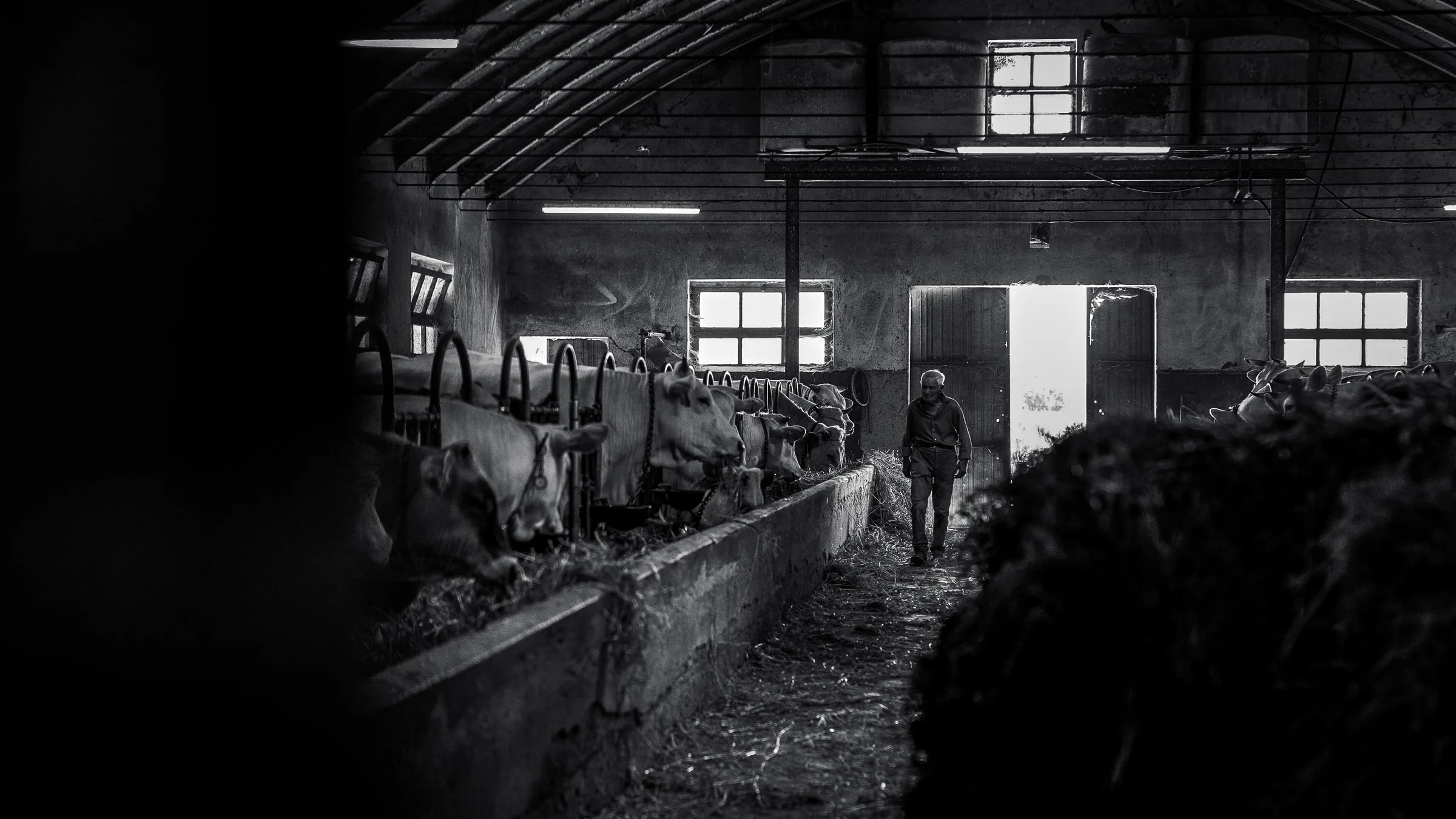
The Napoleonic interlude and the unification of Italy did not bring social shocks comparable to those of the First and Second World Wars. The abandonment of the countryside and the sharecropping system at the end of the 1950s will lead to a stagnation in the countryside and the loss of the values of what we now remember as peasant civilisation.
We like to close with the words of Gabriele d'Annunzio who, in some way, with the image of the plowing of the lands of Cortona, creates a centuries-old bridge between the farmers of his time and the Etruscan and Roman ones, a bridge which in the material and anthropological traditions, as demonstrated by the photographs of Furio Del Furia preserved in Foiano or of Duilio Peruzzi in Cortona, had not yet been completely interrupted by the middle of the Twentieth century:
Breaking the ancient Etruscan gleba with the ploughshare, the peasant, in Sepoltaglia, at Ossaia, discovers the sword and the medal where the spica will sway.
Gabriele d'Annunzio
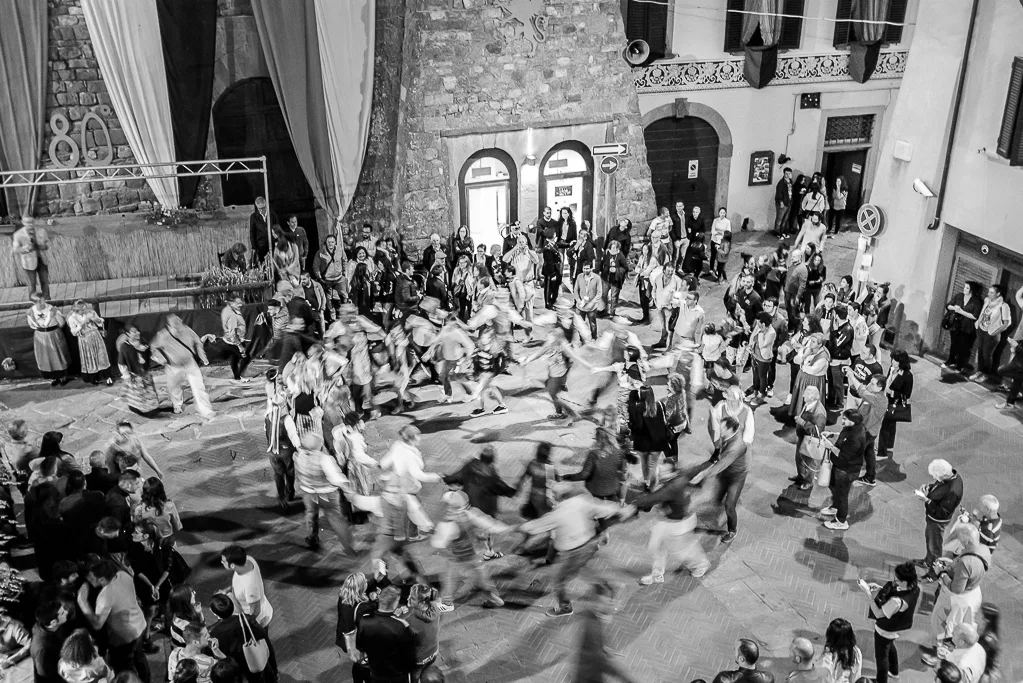
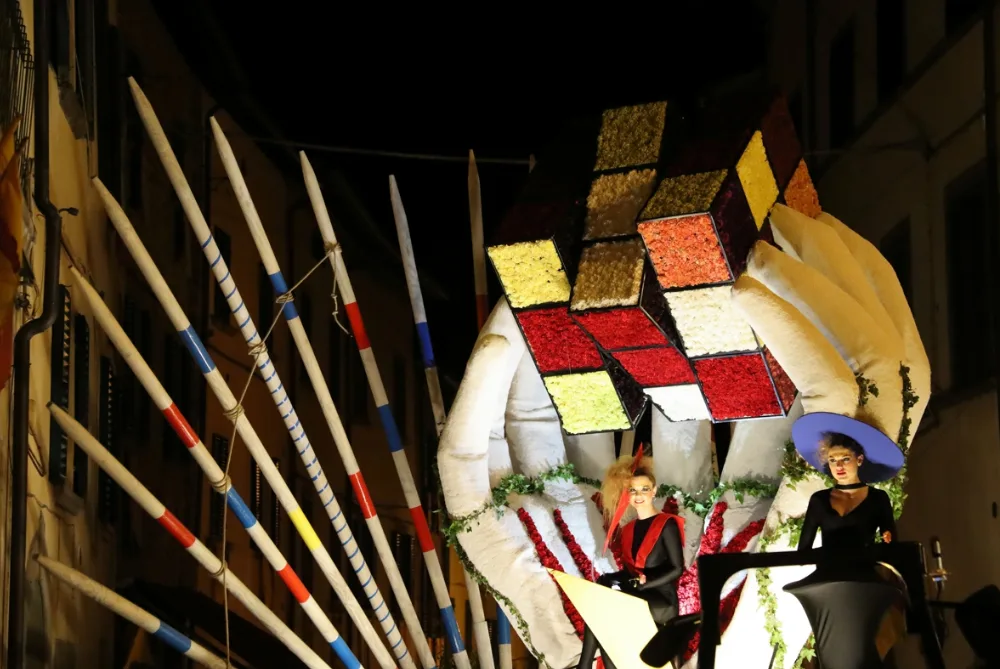
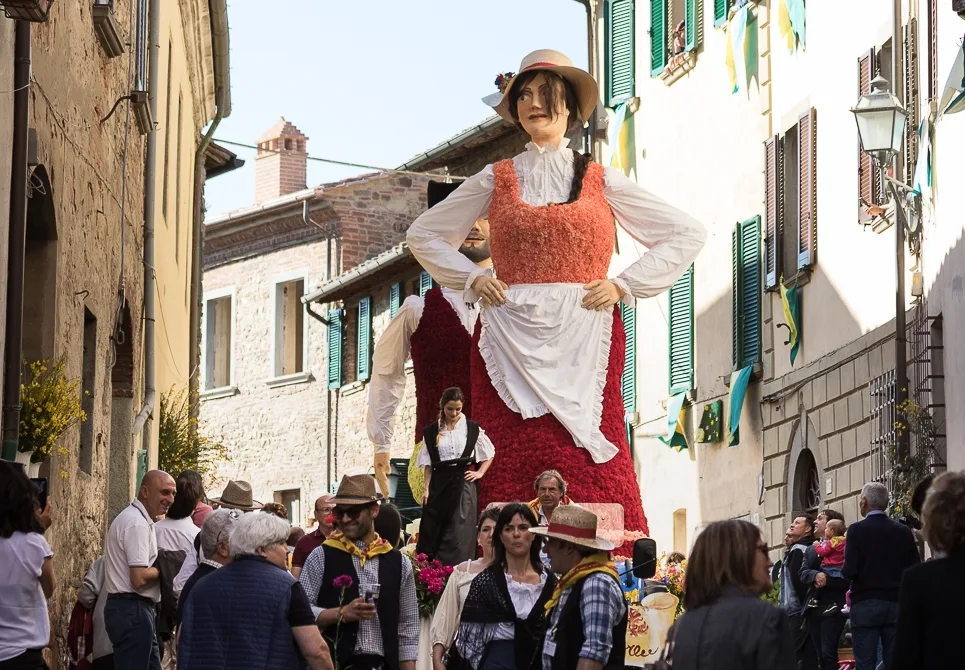
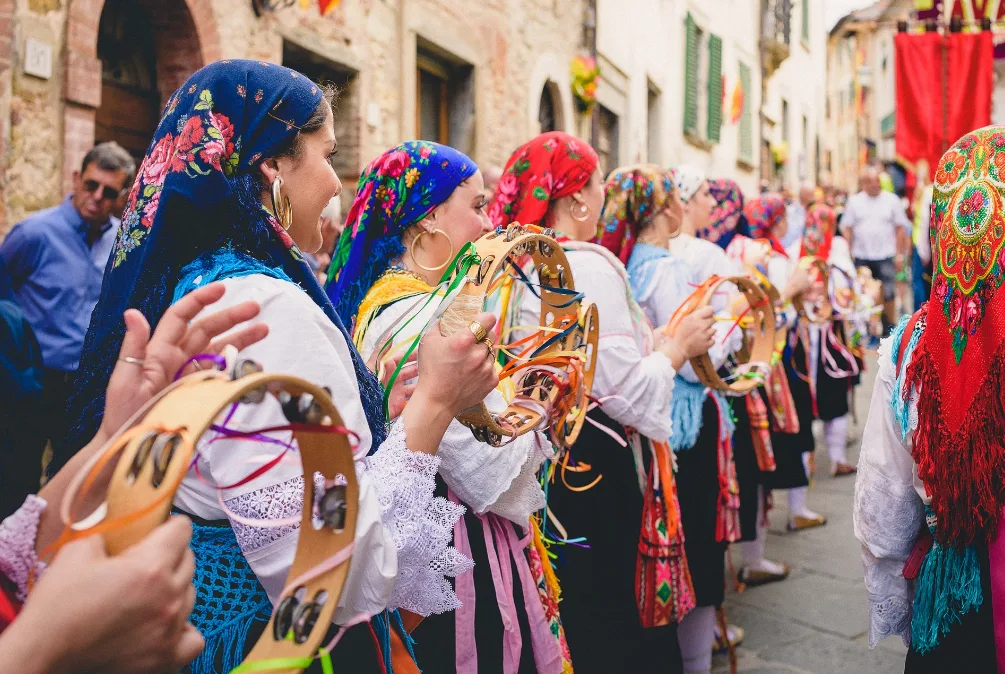
Ecomuseums such as that of the Agricultural Cart of Fratticiola, in Cortona, or extraordinary folklore events such as the Carnival of Foiano della Chiana, the Maggiolata of Lucignano, or the shows of folklore associations such as the cylinder still speak of this world.
The valley is not
a museum
But in the meantime agriculture and livestock farming continue and since the 1980s we have witnessed the birth of large sirah vineyards that produce excellent wines obtained in futuristic cellars; even olive oil today stands out for its quality and boasts, together with products such as garlic from Valdichiana or Chianina steak, a national caliber. Even the many farmhouses on the plain, on the hills and in the mountains become, once recovered, enchanting farmhouses, ready to welcome the many tourists who return in the footsteps of those of a few centuries earlier.
Walking along the paths of Francis, the Via Lauretana, the Bonifica, watching a religious procession, or simply watching a sunset lying in a hammock in the many farmhouses of Valdichiana, is an experience, before being a tourist one, of historical importance.
Thirty centuries of history are ready to disappear into the mountains and rise again in the morning every day:
a magical privilege that is worth experiencing.Curtun · Cortona
A city where
the time remains visible
The city of Curtun (this is how the name sounds in Etruscan) still appears today with an appearance not too dissimilar to what it might have had over two thousand years ago, if only churches could be replaced by temples and Renaissance palaces by the more modest homes of the ancestors. Built on a buttress of Monte S. Egidio, it is surrounded by almost three kilometers of powerful walls, with a rectangular perimeter, smoothed by the centuries and by the wind, remembered as "cyclopean" or "Pelasgic" in the notebooks of many travellers, with notable rows of blocks from the Etruscan age and subsequent medieval insertions; within these eternal barriers the ancient doors open in correspondence with the roads that wind up from the plain, according to the various trends of the mountain.
Along the entire stretch that leads from the plain to the city, there are terraced fields populated with olive trees and marked by dry stone walls, among which nestle sumptuous villas surrounded by holm oaks, pines and cypresses, farmhouses, monasteries, monumental churches that seem to have been built without apparent necessity, so isolated as they are and so perfect in the grandiose purity of the Renaissance line, with domes, windows, bell cells, all in the clean local stone.
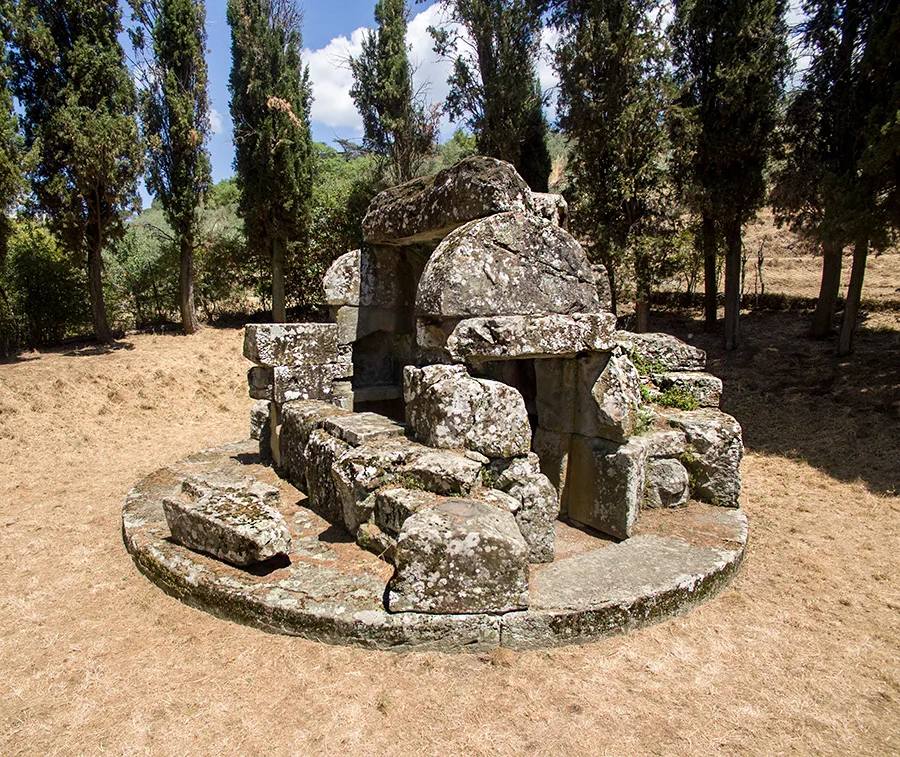
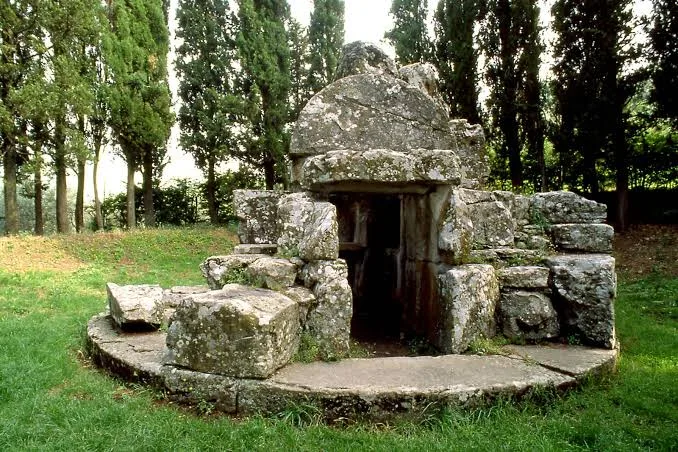
Below, on the hilly cone and further ahead, towards the countryside below, are the most famous tombs, from the one called Tanella di Pitagora, already known to Vasari, to the Melone di Camucia (this is how Etruscan tumuli are called in local jargon due to their hemispherical shape), to those of Sodo.
Walls.
Buildings.
Churches.
The appearance of Cortona is characteristic: steep streets, paved with slabs, in an architectural complex dominated by pietra serena. On the top of the hill stands the ancient Medici fortress, probable site of the Etruscan arx. Among the medieval and Renaissance buildings, based on ancient urban planning, of particular importance are the 12th century Civic Palace, the 16th century tower, the Praetorian Palace, with its Renaissance façade, better known as Palazzo Casali (from the name of the family that ruled the lordship of Cortona starting from 1300) which houses the Museum of the Etruscan Academy and the City of Cortona and a very precious library, famous among scholars from all over the world. world, rich in 22,000 printed volumes, 1172 parchments, 133 precious incunabula and 633 manuscripts.
The historic center reserves numerous "pearls" for the visitor: the 15th century Palazzo Fierli-Petrella, the 18th century Palazzo Ferretti, the Renaissance Palazzo Mancini-Sernini (known as Cristofanello). Notable among the sacred buildings is the Cathedral, built for the first time in the 11th century and rebuilt during the 16th century (the bell tower dates back to 1556 with a design attributed to Francesco Laparelli, the Cortonese architect who founded Valletta); the church of S. Agostino from the end of the thirteenth century; of S. Domenico from the 15th century; of San Francesco, begun by Brother Elia in 1245 with Romanesque-Gothic elements; the 15th century Church of San Niccolò, with a precious “banner” painted by Luca Signorelli; del Gesù, home to the Diocesan Museum with numerous very important paintings, including the most famous “Annunciation” by Beato Angelico; the Basilica Sanctuary of S. Margherita, founded by the Saint herself in the 13th century, but completely rebuilt in the 19th century with the Gothic tomb of the Saint from 1362.
On the outside, the church of S. Maria delle Grazie al Calcinaio, by Francesco Giorgio Martini begun in 1485, the Renaissance church of S. Maria Nuova, the Villa Passerini (called il Palazzone) built by G.B. Caporali around 1515 and current summer headquarters of the Scuola Normale Superiore; immersed in a naturalistic setting of exceptional value is the Capuchin Convent at the “Celle” built near the cell where St. Francis of Assisi lived; sublime examples of Romanesque art are the Abbey of Farneta, pre-Romanesque, and that of S. Angelo in Metelliano (prey of that Etruscan gens whose best-known exponent, Aule Metelis, was depicted in the famous statue of the Haringer).
Cortona was the homeland of the painters Luca Signorelli and Pietro da Cortona and the futurist painter Gino Severini was born here; works of both are preserved in museums and local churches, while the well-known Via Crucis by Gino Severini, with aedicules preserving the mosaic scenes, marks a steep path that connects Piazza Garibaldi with the Sanctuary of Santa Margherita.
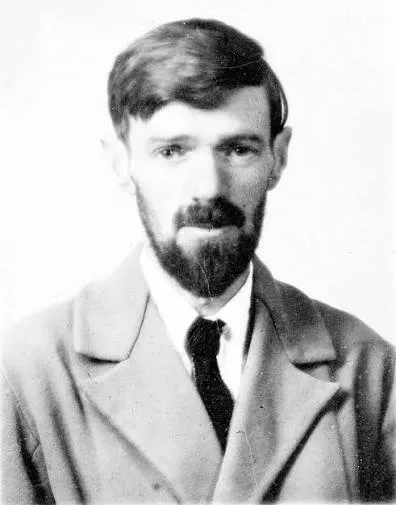
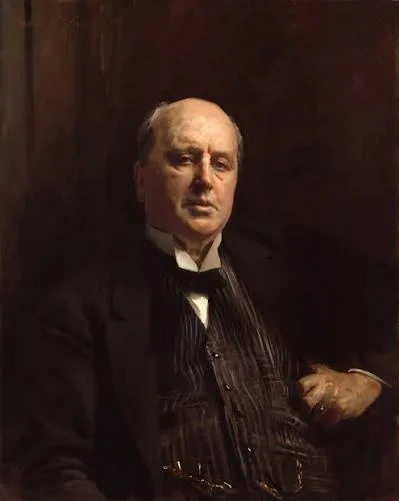
There were numerous great personalities, visitors and travelers who, starting from the Middle Ages, were attracted by the beauty of the city of Cortona and gave testimony to it in their writings. But the fame of Cortona resonates above all among Anglo-Saxon travelers and writers, including G. Dennis, who left a fundamental publication on his travels in Etruscan territory, the writers D.H. Lawrence and H. James and on the pages of many travel diaries composed between 1860 and 1924. More recently the extraordinary success of the volume Under the Tuscan sun, the work of the American writer Frances Mayes, has contributed to spreading the beauty of the Cortona landscape, its evocative power, the pleasure of life among the colours, scents and flavors of the Tuscan land throughout the world.
The past is not behind us.
It's in the landscape.
Every road, field, wall, village and tradition adds a new layer to a story that has never stopped transforming.
Explore the area ↗